South Africa

South Africa

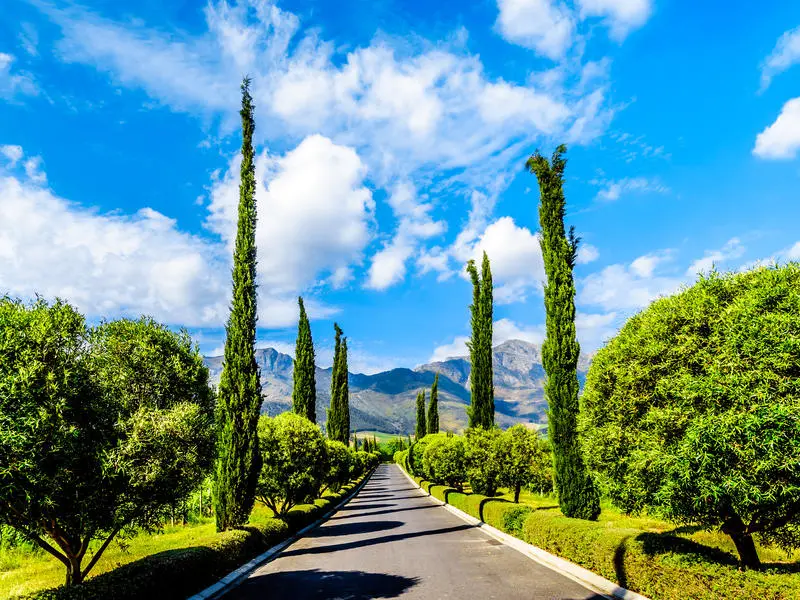
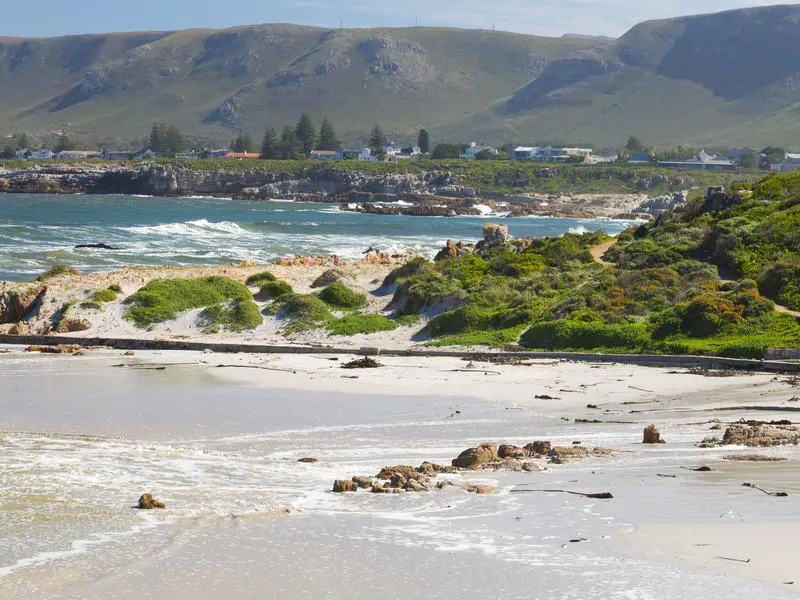
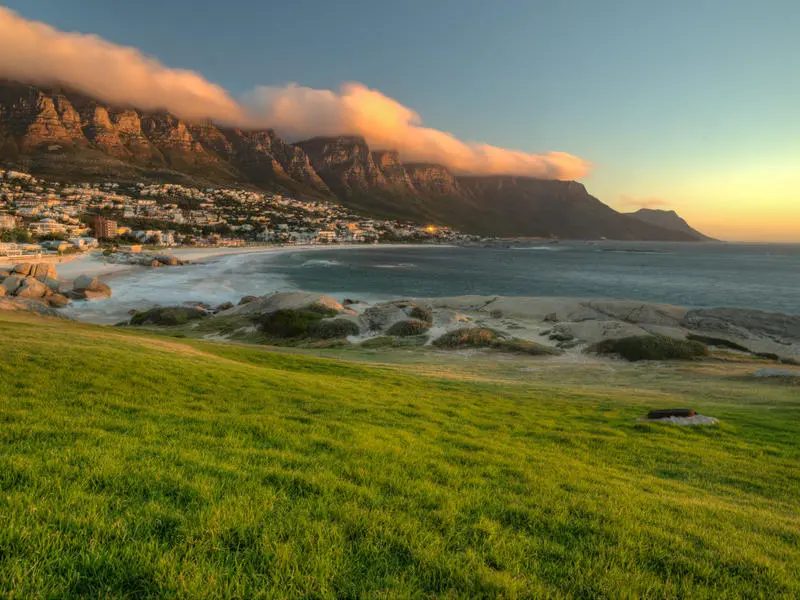
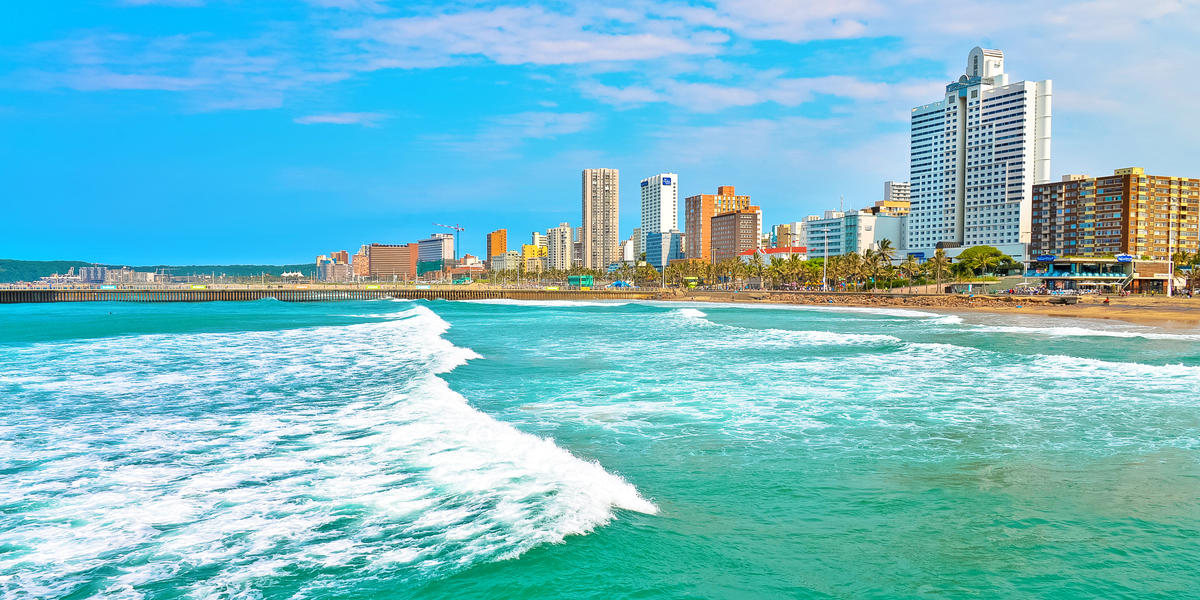
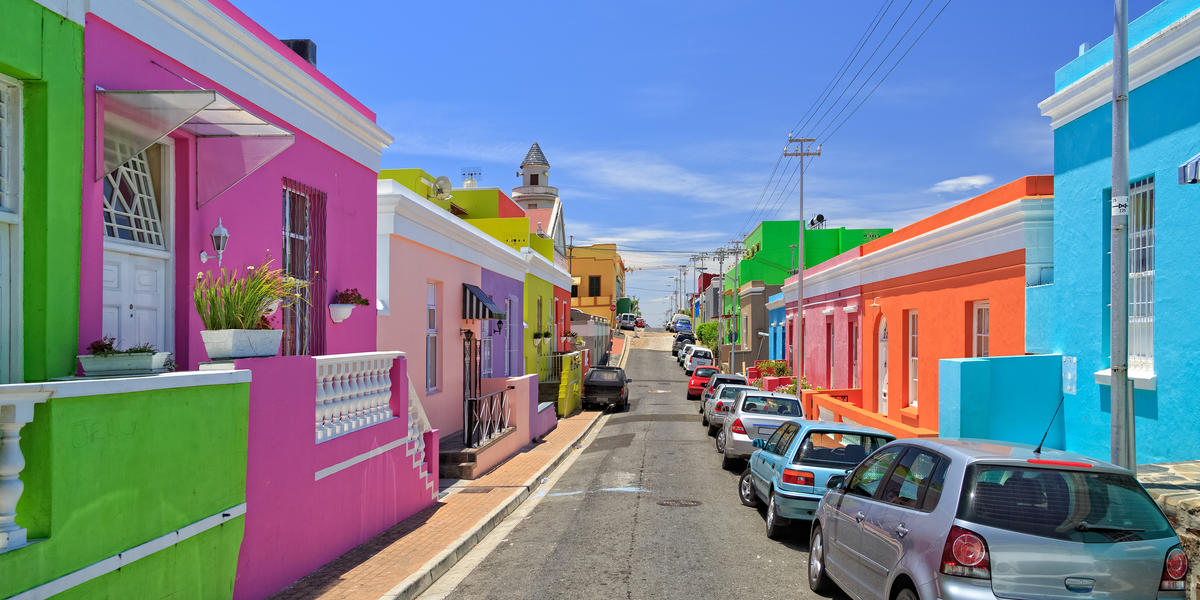
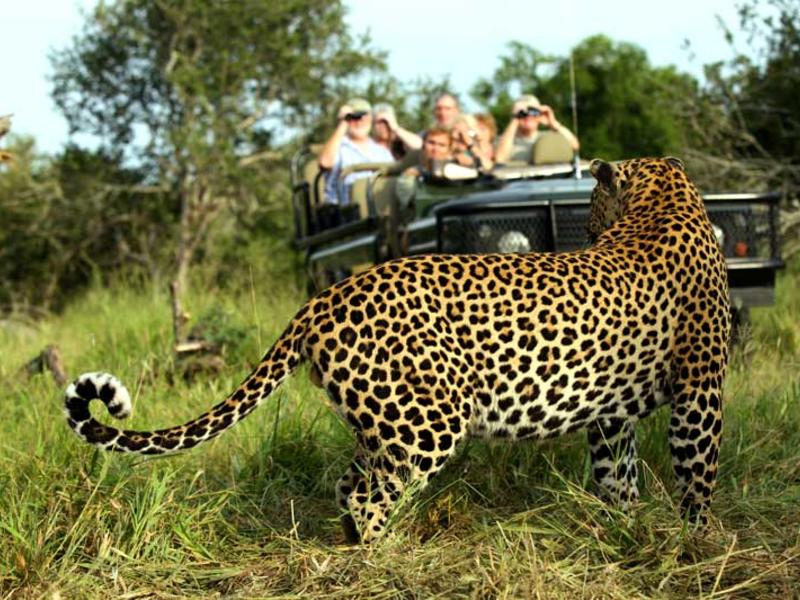
One of the most culturally and geographically diverse places on earth, South Africa, fondly known by locals as the ‘Rainbow Nation’, boasts 11 official languages, and its inhabitants are influenced by a fascinating mix of cultures. Discover the gourmet restaurants, impressive art scene, vibrant nightlife, and beautiful beaches of Cape Town. Enjoy a local braai (barbecue) in the Soweto township, browse the bustling Indian markets in Durban, or sample some of the world’s finest wines at the myriad wine estates dotting the Cape Winelands. Some historical attractions to explore include the Zululand battlefields of KwaZulu-Natal, the Apartheid Museum in Johannesburg, and Robben Island, just off the coast of Cape Town. Above all else, its untamed wilderness is astonishing: wildlife roams freely across massive unfenced game reserves such as the world-famous Kruger National Park.

Read More: South Africa

Regions


  • Placeholder image
  • Cape Town
  • Placeholder image
  • Placeholder image
  • Franschhoek
  • Placeholder image
  • Placeholder image
  • Hermanus

Travel Information


General

Language South Africa has eleven officially recognized languages, most of them indigenous to South Africa. English is one of these, and everywhere you…

Electricity

Plug Type: M, N Voltage (V): 230 V Frequency (Hz): 50 Hz *A travel plug adapter and voltage converter might be necessary depending on your…

Banking

Currency Local currency: South African Rand Symbol: R ISO code: ZAR Subunit: Cent (1/100 of a Rand) Banknotes: R10, R20, R50,…

Cuisine

Food and water safety: Can you drink the tap water: Yes, in most urban areas Fresh fruit and veg: Yes Ice: Yes Meat: Yes Street food: Yes, widely popular…

Climate

Annual rainfall: Varies widely, Cape Town (winter rainfall, 515 mm), Johannesburg (summer rainfall, 713 mm) Average temperature: Varies, Cape Town…

Transport

Air: Main airlines: South African Airways International Airports: O.R. Tambo (Johannesburg), Cape Town International, King Shaka (Durban) Domestic…

Dress

Spring and Summer Cool, light, breathable and comfortable: Yes Lightweight warm clothes: No Winter and Autumn Jerseys, cardigans, sweaters,…

Health

Please consult your health-care provider 4-6 weeks prior to travel to ensure you are receiving all required vaccinations and that the medication has enough…

Safety

The city centre in downtown Johannesburg is not for casual sight-seeing. If you do want to visit central Johannesburg, we recommend that you take an organized…

Visa

VISA REQUIREMENTS:U.S. citizens do not require a visa. Non U.S. citizens should consult with your local embassy.


Related Tours


  • Dear David Do you remember us? We spent our holyday in Namibia in 2007 following your itinerary. This email is to inform you, that advertising of your agency is now shown in the italian travel web magazine Viaggionelmondo.net In this…

    Carla and Riccardo

  • We just came back from a safari in Botswana, Namibia and Zambia, which was organised by Charlotte at ATI Holidays. We had a truly fantastic time, and would like to thank them for their help in organising it all. The…

    Matthew Haler

General

Language South Africa has eleven officially recognized languages, most of them indigenous to South Africa. English is one of these, and everywhere you go, you can expect to find people who speak and understand it. English is the language of the cities, of commerce and banking, of government and official documents. Road signs and official forms are in English. The President makes his speeches in English and at any hotel the service staff will speak English.Social conventionsPublic Holidays The dates of certain public holidays change from year to year – refer below. If a public holiday falls on a Sunday, then the Monday is also declared a public holiday.Jan 01 New Year’s DayMar 21 Human Rights Day Varies Good FridayVaries Easter Monday Varies Family Day Apr 27 Freedom DayMay 01 Workers DayJune 16 Youth Day Aug 09 National Women's DaySep 24 Heritage DayDec 16 Day of ReconcilationDec 25 Christmas DayDec 26 Day of GoodwillTime ZoneSouth African Standard Time, or SAST, is the name of the time zone used by all of South Africa, as well as Swaziland and Lesotho. South Africa operates two hours ahead of Greenwich Mean Time (GMT) throughout the year.National Emergency Numbers Department of Home Affairs (012) 810-8911 Medical Rescue Netcare 911 (011) 254-1911 Or ER 24 (011) 803-7707 Automobile Association 0800-010101 (Toll free) Life Line 0800-012322 (Toll free) Police 10111US EmbassyPhysical Address: 2 Reddam Ave, Westlake 7945Tel: +27 (21) 702-7300Fax: +27 (21) 702-7493Mailing Address: PO Box 9536 Pretoria 0001Tel: +27 (11) 290 3000Fax: +27 (11) 884 0396Website: southafrica.usembassy.govVAT The VAT rate is 14% and is levied on most products and services. Foreign tourists can have VAT refunded at a port of exit provided the value of each invoice for goods purchased exceeds ZAR 50.00 and the total value of all items purchased exceeds ZAR 250.00. To qualify for a refund, visitors must be in possession of a valid passport, valid tax invoices and must produce the goods purchased. Please note that a receipt stating “for information only” is not accepted by the VAT authorities. The document must stipulate that it is a VAT invoice and show the amount charged.

Electricity

Plug Type: M, N 
Voltage (V): 230 V 
Frequency (Hz): 50 Hz 

*A travel plug adapter and voltage converter might be necessary depending on your appliances. 

Banking

Currency 
Local currency: South African Rand 
Symbol: R 
ISO code: ZAR 
Subunit: Cent (1/100 of a Rand) 
Banknotes: R10, R20, R50, R100, R200 
Coins: 10c, 20c, 50c, R1, R2, R5 

Banking 
Card Transactions: Widely accepted 
ATMs: Yes 
Mastercard: Yes 
Visa: Yes 
American Express: Yes 
Diner’s club: Yes 
 
Banking Hours: Weekdays: 09:00 – 15:30 
Weekend: Saturdays: 08:30 – 11:00 
Public Holidays: Closed 
Foreign exchange services: Yes 

Cuisine

Food and water safety:
Can you drink the tap water: Yes, in most urban areas
Fresh fruit and veg: Yes
Ice: Yes
Meat: Yes
Street food: Yes, widely popular and generally safe

Local cuisine:
South African cuisine is diverse and flavourful, featuring dishes like biltong (dried, seasoned meat), bobotie (spiced minced meat baked with an egg-based topping), and boerewors (farmers' sausage). The culinary scene includes a strong tradition of barbecuing, known locally as "braai."

Drinks:
Notable local drinks include Rooibos tea, craft beers, and South African wines.

Tipping: Customarily 10-15% in restaurants and for services.

Climate

Annual rainfall: Varies widely, Cape Town (winter rainfall, 515 mm), Johannesburg (summer rainfall, 713 mm) 
Average temperature: Varies, Cape Town 17°C, Johannesburg 15.5°C 

Summer: 
Average highs: 28°C (Cape Town), 26°C (Johannesburg) 
Average lows: 16°C (Cape Town), 15°C (Johannesburg) 

Winter: 
Average highs: 18°C (Cape Town), 17°C (Johannesburg) 
Average lows: 8°C (Cape Town), 4°C (Johannesburg) 

Best time to visit: 
The best time to visit South Africa is from May to September for wildlife viewing, as animals are more concentrated around water sources. For beach holidays, mid-December to March is ideal, especially in Cape Town. 

Transport

Air: 
Main airlines: South African Airways 
International Airports: O.R. Tambo (Johannesburg), Cape Town International, King Shaka (Durban) 
Domestic Airports: Numerous across the country 

Road: 
Driving on the: Left 
Tar roads: Yes, well-maintained in most areas 
Gravel roads: Yes, especially in rural areas 
Valid International Driver's License needed: Yes 
Car hire available: Yes 
Taxis: Yes 
E-hailing services: Yes, including Uber and Bolt 

Bus: 
Inter-city bus services: Yes 
Local city bus networks: Yes 

Rail: 
Railway system: Yes, including luxury options like the Blue Train 
Subway System: Gautrain in Gauteng 

Water: 
Ferries: Limited, mainly in coastal cities 
Water taxis: No 
Leisure cruises: Yes, especially from Cape Town and Durban 

Dress

Spring and Summer 
Cool, light, breathable and comfortable: Yes 
Lightweight warm clothes: No 

Winter and Autumn 
Jerseys, cardigans, sweaters, jackets: Recommended 
Heavyweight clothing and boots:  Yes 
 
General
 
Umbrella and raincoat: Yes, during the rainy seasons 
Warm gloves, hat and scarf: In winter, particularly in high-altitude areas 
Swimming costume (bathing suit): Yes 
Hat, sunglasses, and sunblock: Essential 
Walking shoes: Yes 
Casual: Yes 
Smart-casual attire: Yes 


Health

Please consult your health-care provider 4-6 weeks prior to travel to ensure you are receiving all required vaccinations and that the medication has enough time to take effect. We highly recommend the purchase of travel insurance with medical benefits and that you bring any personal medication with you. Please also check with your health department prior to departure for any changes in health regulations.

Required Immunizations/Vaccinations:

Yellow Fever - all travelers coming from a yellow fever infected country will be required to show a valid Yellow Fever certificate on arrival. It is otherwise not required or recommended. You should be vaccinated at least 10 days before you travel, as this will allow enough time for your body to develop protection against the yellow fever infection. Your proof of vaccination certificate will only become valid after this time.

Recommended Immunizations/Vaccinations:

Malaria prophylaxis - highly recommended for all travelers (even if you are only visiting malaria-free areas as there has been an increase in malaria in southern Africa)

Malaria

Expert opinion differs regarding the best approach to malaria prophylaxis. It is important to bear in mind that malaria may be contracted despite chemoprophylaxis, especially in areas where chloroquine resistance has been reported.

We strongly recommend you take the following preventative measures:

Use plenty of mosquito repellent. Some camps provide a locally made repellent but please bring your own as there may be skin sensitivity.
Wear long-sleeved shirts and trousers/slacks in the evenings.
Please use the mosquito net over your bed where supplied/available.
If staying in a bungalow or tent, spray with a suitable insecticide to kill any mosquitoes that may have flown into your room.
Mosquito coils are also effective.

There is a six to seven day minimum incubation period before symptoms present themselves. If you become ill on your return, while still on prophylaxis or even once you have stopped taking them, ensure that your doctor does everything to establish that your illness is not malaria. Please remember the best precaution is the preventative kind.

It is inadvisable for pregnant women to visit malarial areas as malaria infection during pregnancy can be detrimental to both mother and child.

Stomach Upsets

It is advisable to carry medication supplied by your physician for simple stomach upsets.  In the first few days of your trip you may suffer from mild upsets attributable to a change in food and water.

Safety

The city centre in downtown Johannesburg is not for casual sight-seeing. If you do want to visit central Johannesburg, we recommend that you take an organized tour or a private guide. This is also the case with Soweto, which is badly signposted and confusing to the casual visitor.

Visa

VISA REQUIREMENTS:U.S. citizens do not require a visa. Non U.S. citizens should consult with your local embassy.