Zambia

Zambia

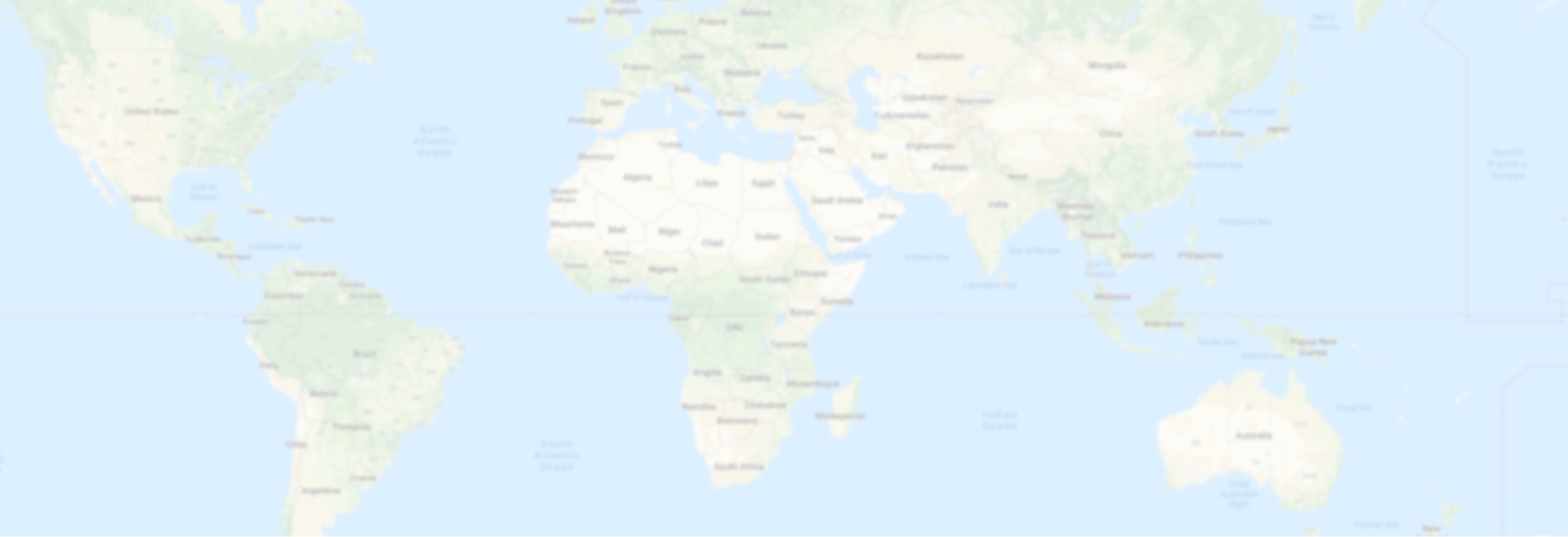
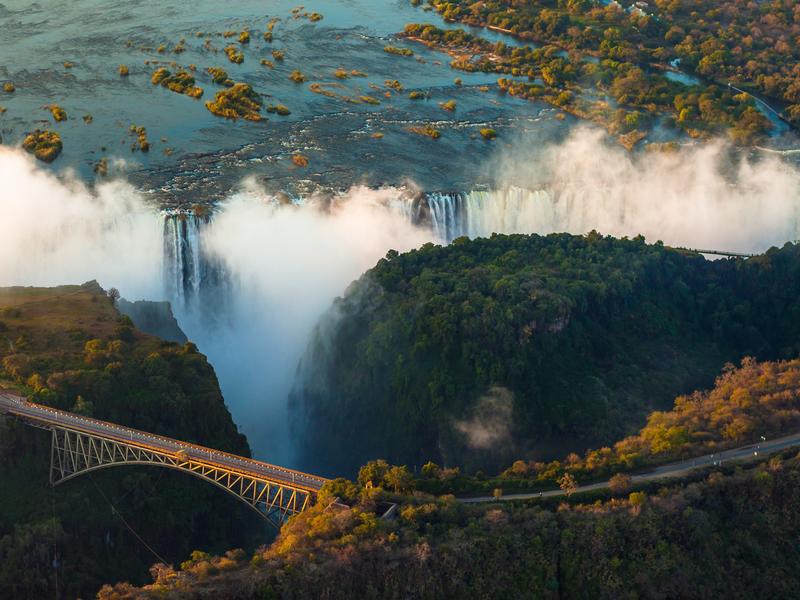
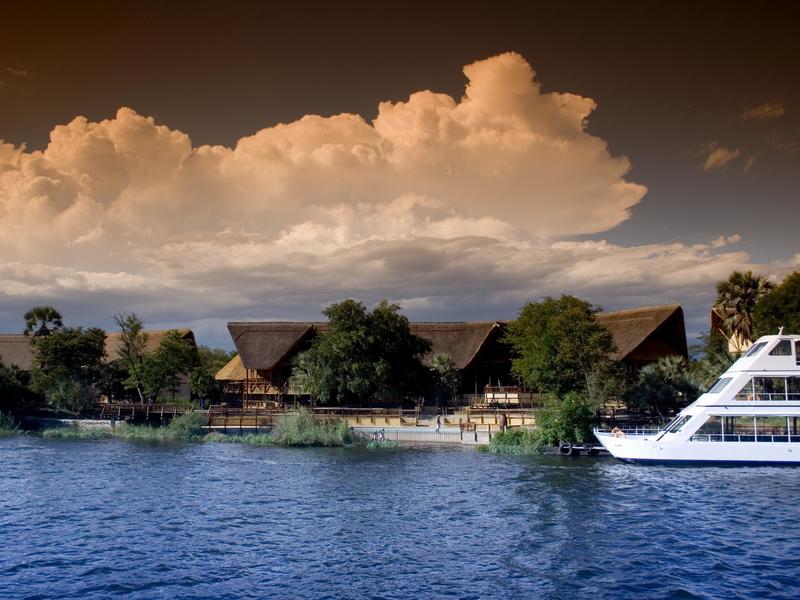
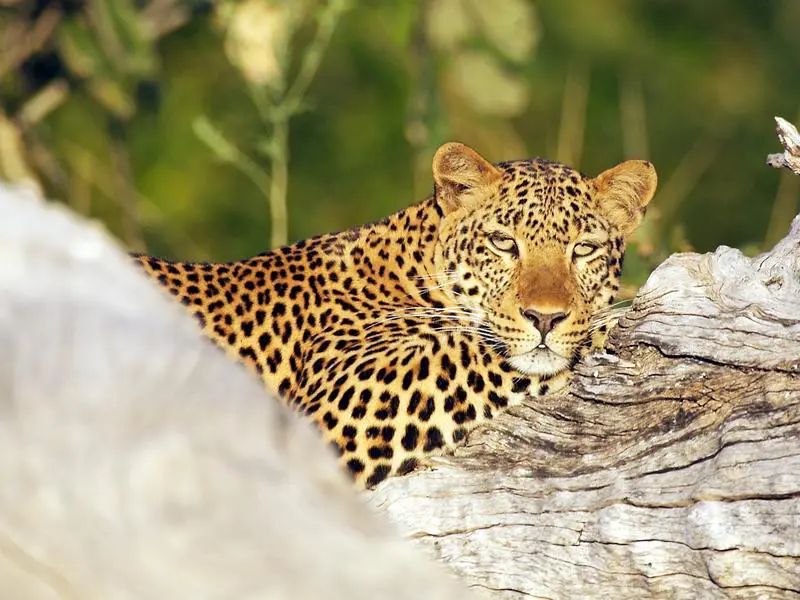
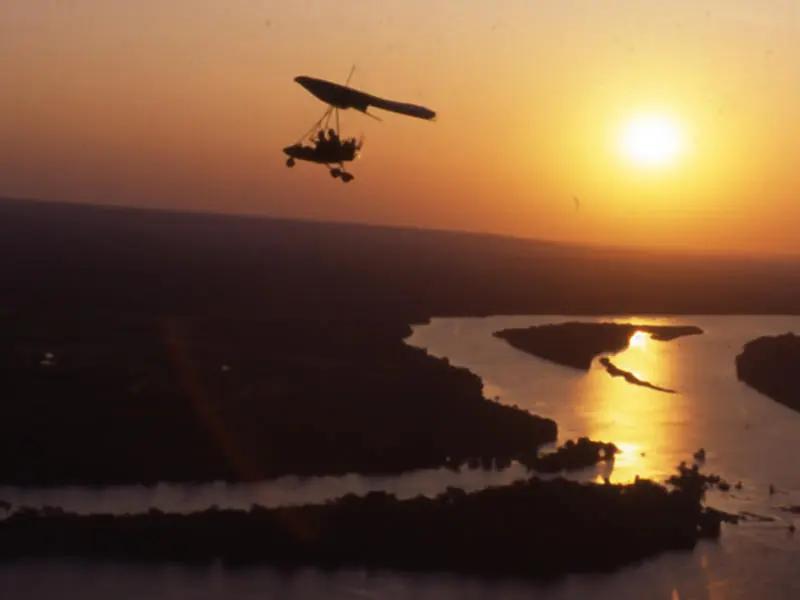
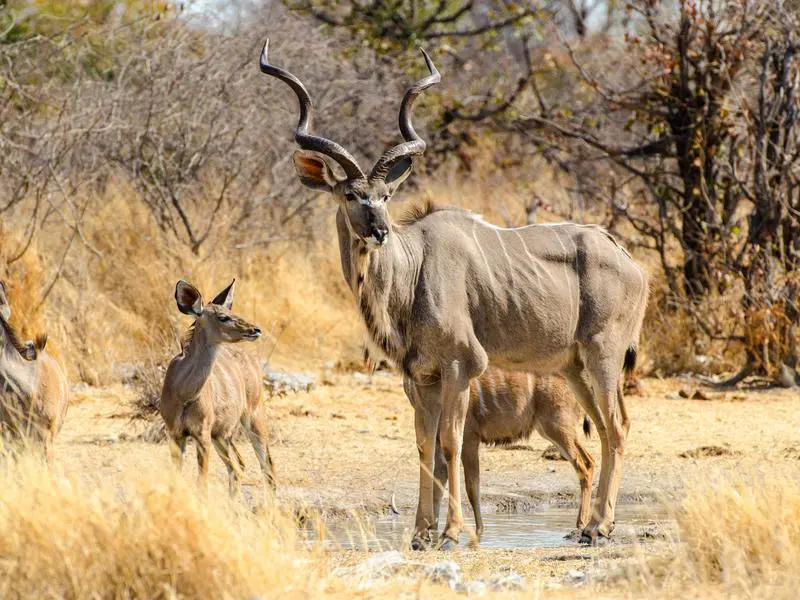
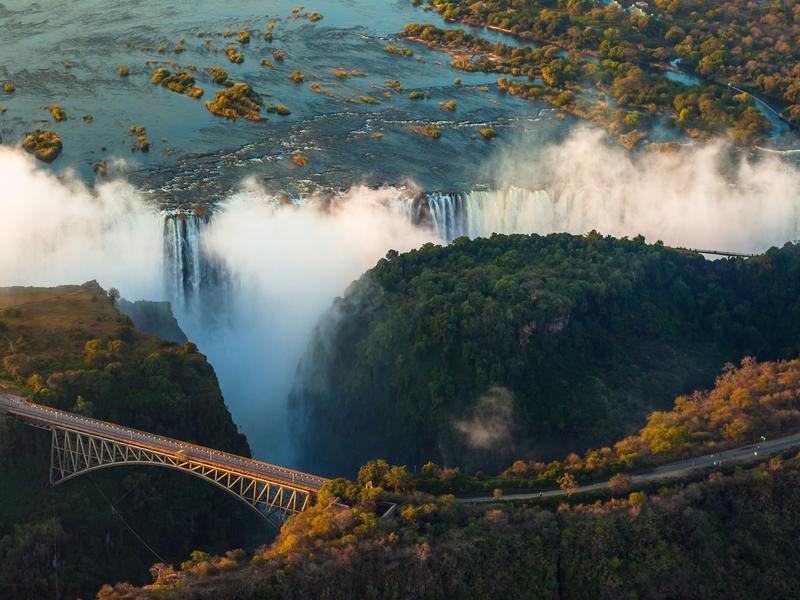
This unique, peanut-shaped country, once known as Northern Rhodesia, offers visitors an authentic African experience complete with adrenalin pumping adventure sports, a variety of fascinating cultural activities, and an abundance of indigenous wildlife, which finds refuge in Zambia’s vast national parks. Spend your evenings enjoying the spectacular site of the world’s largest waterfall, the Victoria Falls, while sipping on sundowners after an exhilarating day of whitewater rafting down the rapids of the mighty Zambezi River. If that sounds a little too adventurous for your taste, take a houseboat cruise along the exquisite Lake Kariba while watching wild elephants drink at the riverbank as you try your hand at catching the elusive tiger fish. However you choose to spend your time in this unique country, you are bound to leave with a heavy heart and a desire to return again soon to this exceptionally beautiful Southern African country.


Read More: Zambia

Regions


  • Placeholder image
  • Placeholder image
  • Placeholder image
  • Placeholder image
  • Victoria Falls (Zambia)
  • Livingstone

Travel Information


General

Language:Over 73 African dialects are spoken in Zambia, but the official language is English.National Emergency Numbers:Emergency 999Police 991Fire Service…

Electricity

Plug Type: Type C, Type D, Type G Voltage (V): 230 Frequency Hertz (Hz): 50 *Travel plug adapter and voltage converter might be necessary…

Banking

Currency Local currency: Zambian Kwacha Symbol: ZK ISO code: ZMW Subunit: Ngwee Banknotes: 2, 5, 10, 20, 50, 100, 500 kwacha Coins:…

Cuisine

Food and water safety: Can you drink the tap water: No Fresh fruit and veg: Yes Ice: No Meat: Yes Street food: Yes Local…

Climate

Annual rainfall: Varies Average temperature: 25°C Summer: Average highs: 30°C Average lows: 20°C Winter: Average highs:…

Transport

Air: Main airlines: Zambia Airways International Airports: Kenneth Kaunda International Airport (LUN) Domestic Airports: Yes Road: Driving…

Dress

Spring and Summer Cool, light, breathable and comfortable: Yes Lightweight warm clothes: No Winter and Autumn Jerseys, cardigans, sweaters,…

Health

Please consult your health-care provider 4-6 weeks prior to travel to ensure you are receiving all required vaccinations and that the medication has…

Safety

Visa

VISA REQUIREMENTS:U.S. citizens are not required to obtain a visa for entry into Zambia. Non U.S. citizens should consult with your local embassy. …


Related Tours


  • Dear David Do you remember us? We spent our holyday in Namibia in 2007 following your itinerary. This email is to inform you, that advertising of your agency is now shown in the italian travel web magazine Viaggionelmondo.net In this…

    Carla and Riccardo

  • We just came back from a safari in Botswana, Namibia and Zambia, which was organised by Charlotte at ATI Holidays. We had a truly fantastic time, and would like to thank them for their help in organising it all. The…

    Matthew Haler

General

Language:Over 73 African dialects are spoken in Zambia, but the official language is English.National Emergency Numbers:Emergency 999Police 991Fire Service 993Public Holidays (customize):The dates of certain public holidays change from year to year – refer below. If a public holiday falls on a Sunday, then the Monday is also declared a public holiday.Jan 01 New Year’s DayVaries Good FridayVaries Easter MondayMay 1 Labor DayMay 12 Youth DayMay 25 Africa Freedom DayJuly 3 Heroes DayJul 4 Unity DayOct 24 Independence DayDec 25 Christmas DayVAT:Prices of all goods and services in Zambia include value added tax (VAT) of 17.5%Time Zone:Zambia is two hours ahead of Greenwich Mean Time (GMT).US EmbassyTel: +260 (0) 211-357-000Embassy of the United States, Public Affairs Section, Eastern end of Kabulonga Road, Ibex Hill, P.O. Box 31617, Lusaka, ZAMBIA Email: [email protected]: Zambia.usembassy.gov

Electricity

Plug Type: Type C, Type D, Type G 
Voltage (V): 230 
Frequency Hertz (Hz): 50 

*Travel plug adapter and voltage converter might be necessary depending on your appliances. 

Banking

Currency 

Local currency: Zambian Kwacha 
Symbol: ZK 
ISO code: ZMW 
Subunit: Ngwee 
Banknotes: 2, 5, 10, 20, 50, 100, 500 kwacha 
Coins: 1, 5, 10, 50 ngwee, 1 kwacha 

Banking 

Card Transactions: Limited 
ATMs: Yes 
Mastercard: Yes 
Visa: Yes 
American Express: Limited acceptance 
Diner’s club: Limited acceptance 

Banking Hours: 
Weekdays: 8:30 AM - 3:30 PM 
Weekends: Limited hours in some locations 
Public Holidays: Yes (limited hours) 
Foreign exchange services: Yes 

Cuisine

Food and water safety: 
Can you drink the tap water: No 
Fresh fruit and veg: Yes 
Ice: No 
Meat: Yes 
Street food: Yes 

Local cuisine: Zambian cuisine features a variety of dishes, including Nshima (maize porridge), which is often served with meat, vegetables, or fish. Other popular dishes include Ifisashi (vegetables cooked in peanut sauce) and Biltong (dried meat). 

Drinks: Mosquito (fermented maize), Chibwantu (traditional beer), and Munkoyo (fermented drink made from maize or millet). 

Tipping: 10-15% is customary in restaurants if a service charge is not included. 

Climate

Annual rainfall: Varies 
Average temperature: 25°C 

Summer: 
Average highs: 30°C 
Average lows: 20°C 

Winter: 
Average highs: 25°C 
Average lows: 15°C 

Best time to visit: The best time to visit Zambia is during the dry season from June to August when wildlife viewing is at its best. However, the wet season from November to April offers lush landscapes and excellent birdwatching opportunities. 

Transport

Air: 
Main airlines: Zambia Airways 
International Airports: Kenneth Kaunda International Airport (LUN) 
Domestic Airports: Yes 

Road: 
Driving on the: Left 
Tar roads: Yes 
Gravel roads: Yes 
Valid International Driver's License needed: Yes 
Car hire available: Yes 
Taxis: Yes 
E-hailing services: No 

Bus: 
Inter-city bus services: Yes 
Local city bus networks: Yes 

Rail: 
Railway system: Limited 
Subway System: No 

Water: 
Ferries: No 
Water taxis: No 
Leisure cruises: No 

Dress

Spring and Summer 
Cool, light, breathable and comfortable: Yes 
Lightweight warm clothes: No 

Winter and Autumn 
Jerseys, cardigans, sweaters, jackets: Recommended 
Heavyweight clothing and boots: No 

General 
Umbrella and raincoat: Yes 
Warm gloves, hat and scarf: No 
Swimming costume (bathing suit): Yes 
Hat, sunglasses and sunblock: Yes 
Walking shoes: Yes 
Casual: Yes 
Smart-casual attire: No 


Health

Please consult your health-care provider 4-6 weeks prior to travel to ensure you are receiving all required vaccinations and that the medication has enough time to take effect. We highly recommend the purchase of travel insurance with medical benefits and that you bring any personal medication with you. Please also check with your health department prior to departure for any changes in health regulations.

Required Immunizations/Vaccinations:

Yellow Fever - all travelers coming from a yellow fever infected country will be required to show a valid Yellow Fever certificate on arrival. It is otherwise not required or recommended. You should be vaccinated at least 10 days before you travel, as this will allow enough time for your body to develop protection against the yellow fever infection. Your proof of vaccination certificate will only become valid after this time.

Recommended Immunizations/Vaccinations:

Malaria prophylaxis - highly recommended for all travelers (even if you are only visiting malaria-free areas as there has been an increase in malaria in southern Africa)

Malaria

Expert opinion differs regarding the best approach to malaria prophylaxis. It is important to bear in mind that malaria may be contracted despite chemoprophylaxis, especially in areas where chloroquine resistance has been reported. Both chloroquine-resistant and normal strains of malaria are prevalent in Africa. 

Malaria is transmitted by a very small percentage of female Anopheles mosquitoes. They are mainly active in the early evening and throughout the night. Malaria transmission is at its highest during the warmer and wetter months. We strongly recommend you take the following preventative measures:

Use plenty of mosquito repellent. Some camps provide a locally made repellent but please bring your own as there may be skin sensitivity.
Wear long-sleeved shirts and trousers/slacks in the evenings.
Please use the mosquito net over your bed where supplied/available.
If staying in a bungalow or tent, spray with a suitable insecticide to kill any mosquitoes that may have flown into your room.
Mosquito coils are also effective.

There is a six to seven day minimum incubation period before symptoms present themselves. If you become ill on your return, while still on prophylaxis or even once you have stopped taking them, ensure that your doctor does everything to establish that your illness is not malaria. Please remember the best precaution is the preventative kind. 

It is inadvisable for pregnant women to visit malarial areas as malaria infection during pregnancy can be detrimental to both mother and child.

Ticks

Ticks exist all over the world and are well known carriers of diseases that affect both animals and humans. Symptoms of this disease present after a 5-7 day incubation period and include fevers, headaches, malaise and even a skin rash, but effects can vary dramatically from person to person. A dark black mark usually results at the site of the infected bite and is a helpful diagnostic. The disease is easily treated with antibiotics although this is not always necessary. 

After walking in the bush it is best to brush your clothes down and to examine your body for ticks. If a tick is found, remove it entirely without leaving the biting mouth parts in your skin. Anti-tick sprays such as Bayticol can be very effective against ticks and wearing long pants will prevent many bites.

Tsetse Flies

Tsetse flies exist in large areas of sub-Saharan Africa including parts of Zambia. They are best known as the carrier of trypanosomiases – causing sleeping sickness in humans which can be fatal but is easily treated and cured. In the unlikely event that symptoms are recorded after a visit to an area containing tsetse flies, we recommend that a doctor be consulted. These symptoms can present a few weeks to months after a visit and begin with fever, headaches and pains in the joints followed by dramatic swelling of the lymph nodes. If left untreated these symptoms can evolve to cause anaemia, cardiac and kidney disorders; alternate bouts of fatigue and insomnia can disrupt the sleep cycle.

Not all tsetse flies transmit all variations of the disease and in our areas of operation they are regarded more as an irritation (the bites are sharp) than as a serious threat.  Enormous efforts have been made to eradicate tsetse flies in various countries and sleeping sickness has now largely disappeared from Southern Africa. 

Visa

VISA REQUIREMENTS:U.S. citizens are not required to obtain a visa for entry into Zambia. Non U.S. citizens should consult with your local embassy.