Vietnam

Vietnam

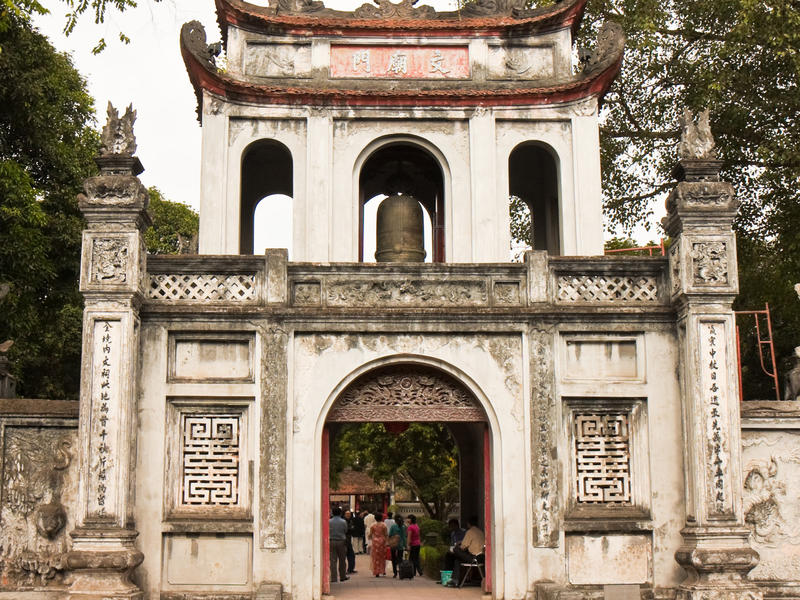
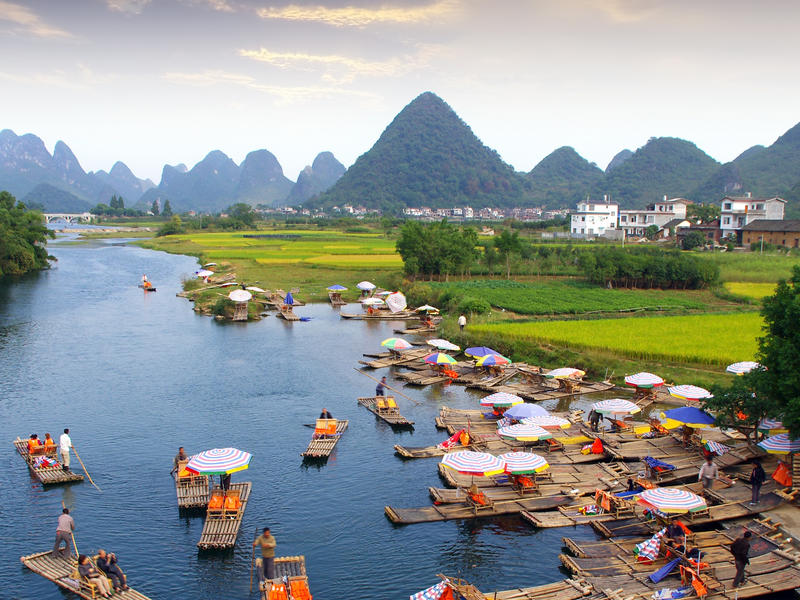
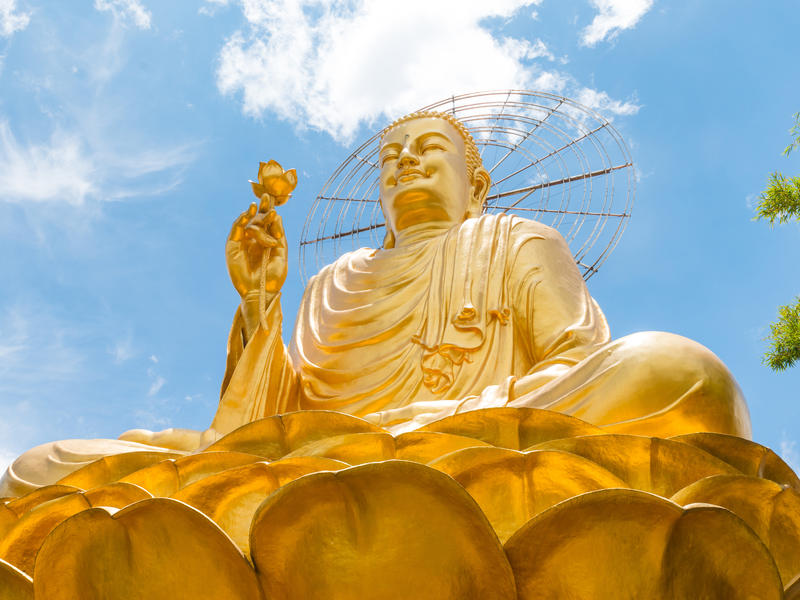
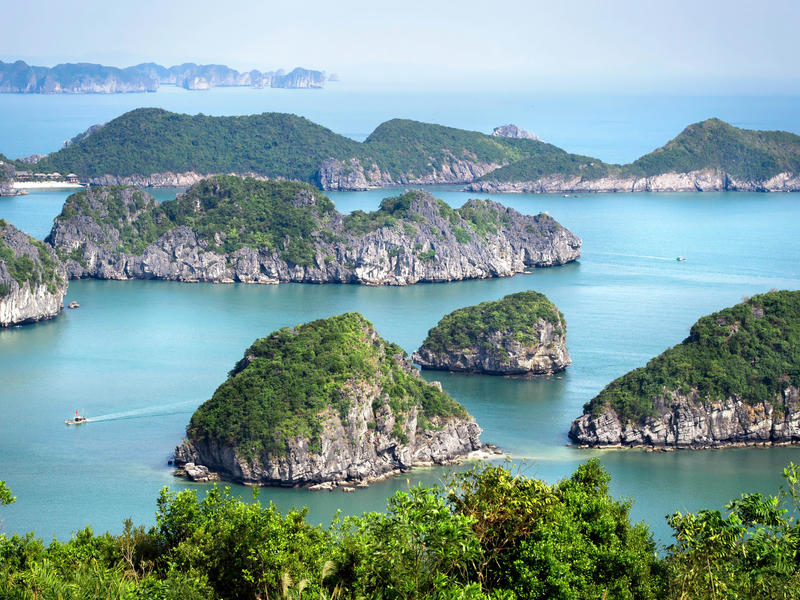
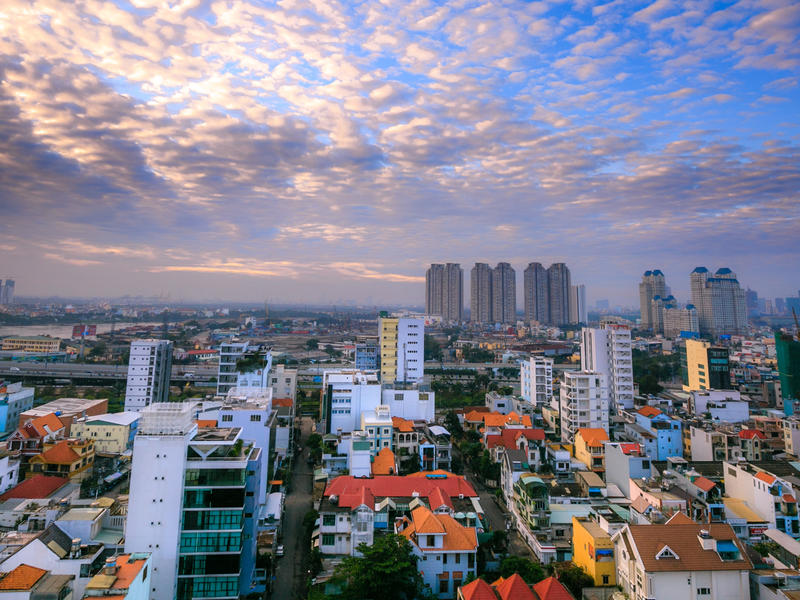
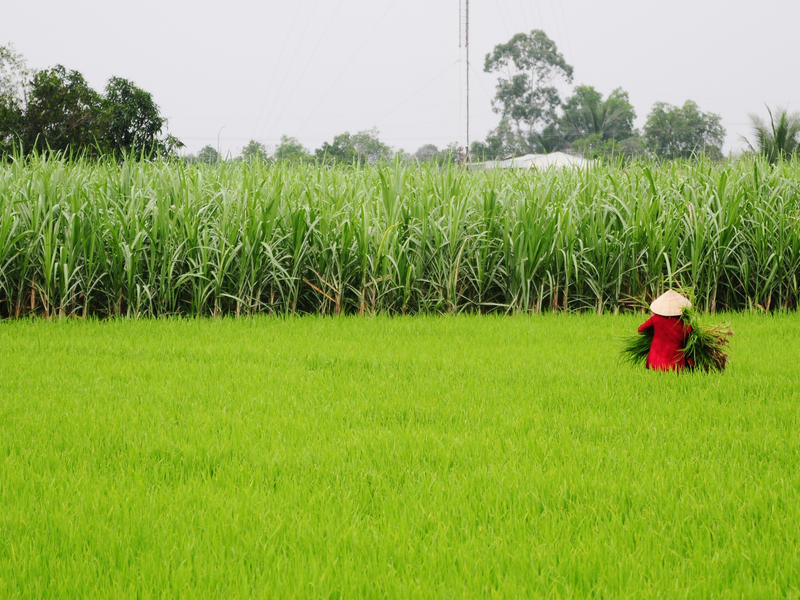
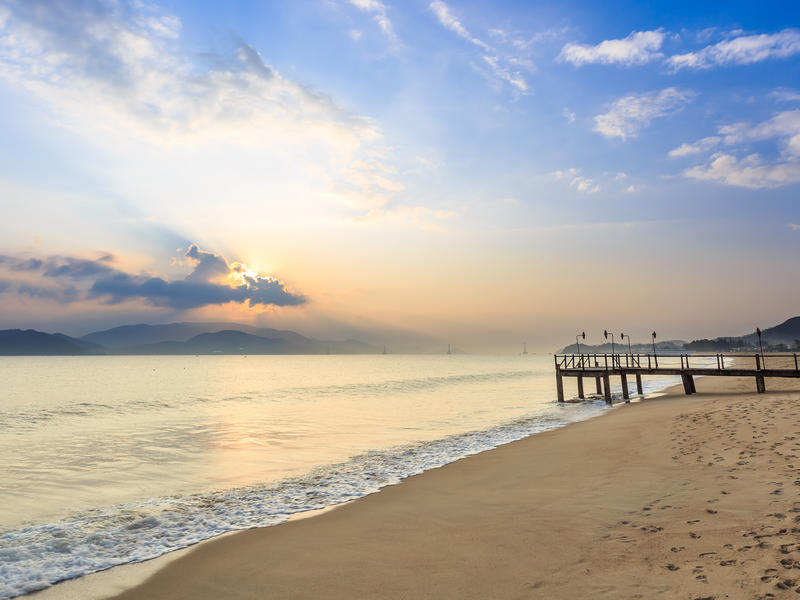
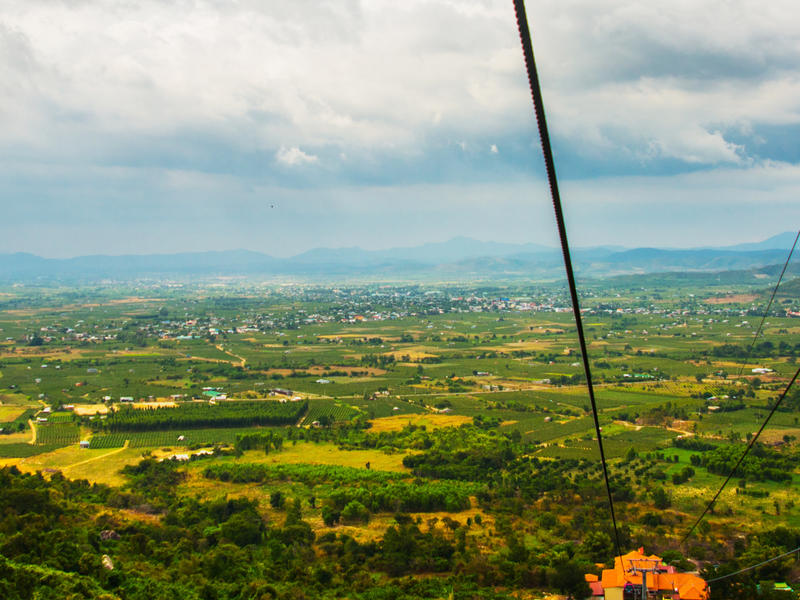
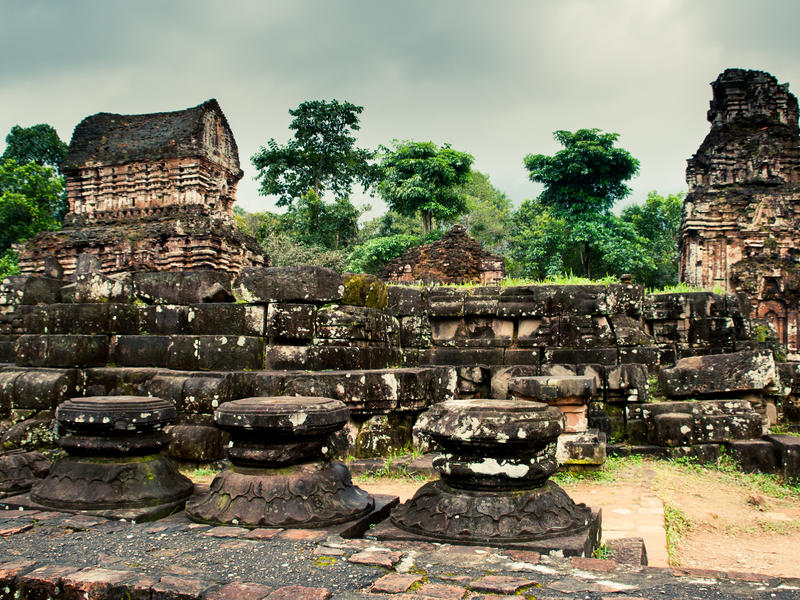
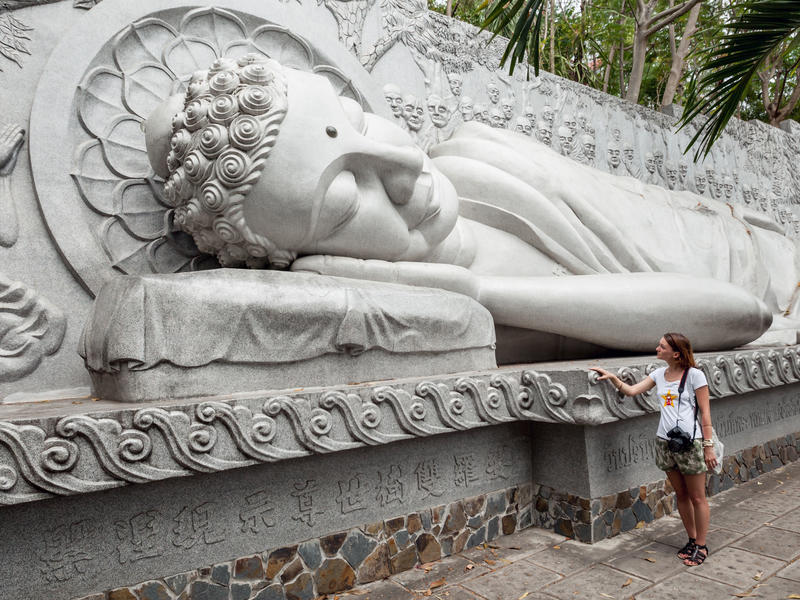
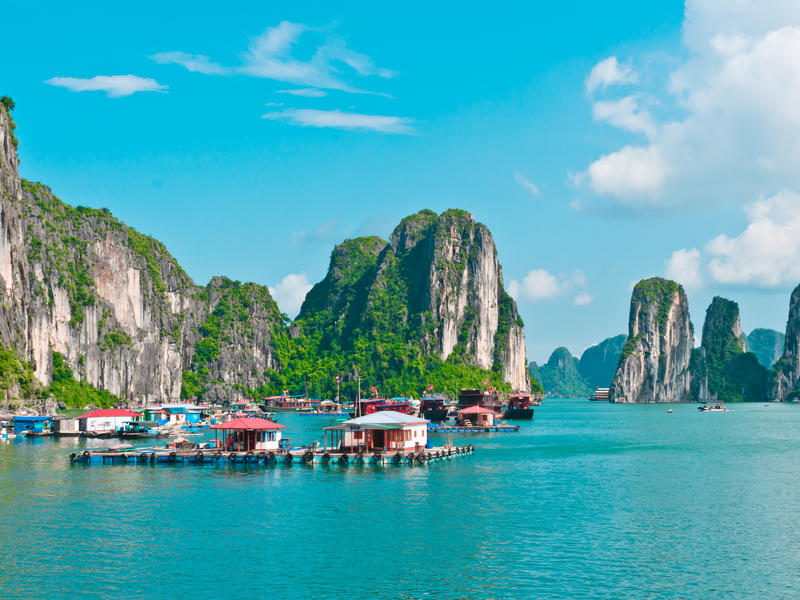
From the remarkable beauty of Sam Mountain and Halong Bay to the numerous sacred temples and pagodas, Vietnam has a lot to offer. It is a country that features everything from exotic culinary delights to breathtaking scenery. Seemingly endless, tranquil rice paddies stand in stark contrast to bustling cities such as Ho Chi Minh City and Hanoi which embrace all the technology and conveniences that the modern world has to offer. The well-preserved colonial buildings of Hoi An play host to a slew of charming boutiques and tempting cafes while, further north, the local hill-tribe people of Sapa sell a wide variety of exquisite crafts and handmade trinkets. Beyond the urban areas, this diverse country is characterised by vast, verdant jungles and lush mountainous regions as well as an enticing coastline peppered with golden sand, palm-lined beaches.


Read More: Vietnam

Regions


  • Da Nang
  • Hanoi
  • Placeholder image
  • Placeholder image
  • Ho Chi Minh City
  • Hue

Travel Information


General

Language:The official language in Vietnam is Vietnamese. Some Chinese, English and French are spoken. Tour guides can also speak Russian and Japanese….

Electricity

Plug Type: Type A, Type C Voltage (V): 220V Frequency Hertz (Hz): 50Hz *Travel plug adapter and voltage converter might be necessary depending…

Banking

Currency Local currency: Vietnamese Dong Symbol: ₫ ISO code: VND Subunit: Hào Banknotes: ₫1000, ₫2000, ₫5000, ₫10000,…

Cuisine

Food and water safety: Can you drink the tap water: No Fresh fruit and veg: Yes Ice: Yes Meat: Yes Street food: Yes Local…

Climate

Annual rainfall: 1500 – 2500 mm Average temperature: 25°C Summer: Average highs: 35°C Average lows: 25°C Winter: Average…

Transport

Air: Main airlines: Vietnam Airlines, VietJet Air International Airports: Tan Son Nhat International Airport (Ho Chi Minh City), Noi Bai International…

Dress

Spring and Summer Cool, light, breathable and comfortable: Yes Lightweight warm clothes: No Winter and Autumn Jerseys, cardigans, sweaters,…

Health

Please consult your health-care provider 4-6 weeks prior to travel to ensure you are receiving all required vaccinations and that the medication has…

Safety

Vietnam is safe in general. We recommend normal precautions be taken as you would for any city in the world. Be aware of your surroundings and stay in…

Visa

U.S. citizens are required to obtain a visa for entry into Vietnam. Non U.S. citizens should consult with your local embassy.


Related Tours


  • Dear David Do you remember us? We spent our holyday in Namibia in 2007 following your itinerary. This email is to inform you, that advertising of your agency is now shown in the italian travel web magazine Viaggionelmondo.net In this…

    Carla and Riccardo

  • We just came back from a safari in Botswana, Namibia and Zambia, which was organised by Charlotte at ATI Holidays. We had a truly fantastic time, and would like to thank them for their help in organising it all. The…

    Matthew Haler

General

Language:The official language in Vietnam is Vietnamese. Some Chinese, English and French are spoken. Tour guides can also speak Russian and Japanese. Numerous ethnic languages are also spoken in parts..National Emergency Numbers:113 - Police114 - Fire Department115 - Emergency Medical ServicesPublic Holidays:The dates of certain public holidays change from year to year – refer below. If a public holiday falls on a Sunday, then the Monday is also declared a public holiday.Jan 01 - New Year’s DayJan 26 - Tet HolidayJan 27 - Tet EveJan 28 - Tet Nguyen DanJan 29 - Feb 1 - Tet HolidayApr 06 - Hung Kings Temple FestivalMay 01 - International Labor DayMay 02 - Reunification DaySep 04 - National DaySocial conventions:Handshaking and a vocal greeting is normal. Clothing should be kept simple, informal and discreet. Avoid shorts if possible as they are usually only worn by children. Footwear should be removed when entering Buddhist pagodas. Vietnamese people should not be touched on the head. It is also polite to give and receive gifts and business cards using two hands.Time Zone:Vietnam is on UTC/GMT time and is 11 hours ahead of USA Eastern Time Zone.TippingMost restaurants and hotels in Vietnam now add a five to ten percent service charge to their bills. In top hotels porters expect a small tip. Hired drivers and guides are usually tipped, and it is customary to round up the bill for taxi drivers in the cities. Tipping is not generally expected, but some small change tor most services is appreciatedUS EmbassyMailing Address: 7 Lang Ha Street, Hanoi, VietnamTel: +84-4-3850-5000Website: vn.usembassy.gov/

Electricity

Plug Type: Type A, Type C 
Voltage (V): 220V 
Frequency Hertz (Hz): 50Hz 

*Travel plug adapter and voltage converter might be necessary depending on your appliances. 

Banking

Currency 

Local currency: Vietnamese Dong 
Symbol: ₫ 
ISO code: VND 
Subunit: Hào 
Banknotes: ₫1000, ₫2000, ₫5000, ₫10000, ₫20000, ₫50000, ₫100000, ₫200000, ₫500000 
Coins: None 

Banking 

Card Transactions: Yes 
ATMs: Yes 
Mastercard: Yes 
Visa: Yes 
American Express: No 
Diner’s club: No 

Banking Hours: 
Weekdays: 8:00 AM - 4:30 PM 
Weekends: Closed 
Public Holidays: No 
Foreign exchange services: Yes 

Cuisine

Food and water safety: 

Can you drink the tap water: No 
Fresh fruit and veg: Yes 
Ice: Yes 
Meat: Yes 
Street food: Yes 

Local cuisine: 

Vietnamese cuisine is renowned for its fresh ingredients, balanced flavors, and diverse dishes. Pho (noodle soup), banh mi (sandwich), and spring rolls are popular street foods. Vietnamese cuisine is characterized by the use of herbs like mint and cilantro, fish sauce, and a variety of meats and seafood. Notable local drinks include Vietnamese coffee, iced tea, and sugarcane juice. 
Tipping: 5-10% 

Climate

Annual rainfall: 1500 - 2500 mm 
Average temperature: 25°C 

Summer: 

Average highs: 35°C 
Average lows: 25°C 

Winter: 

Average highs: 20°C 
Average lows: 15°C 

Best time to visit: 

The best time to visit Vietnam is from November to April when the weather is cooler and drier, making it ideal for exploring the country. 

Transport

Air: 

Main airlines: Vietnam Airlines, VietJet Air 
International Airports: Tan Son Nhat International Airport (Ho Chi Minh City), Noi Bai International Airport (Hanoi) 
Domestic Airports: Da Nang International Airport, Cam Ranh International Airport 

Road: 

Driving on the: Right 
Tar roads: Yes 
Gravel roads: No 
Valid International Driver's License needed: Yes 
Car hire available: Yes 
Taxis: Yes 
E-hailing services: Yes 

Bus: 

Inter-city bus services: Yes 
Local city bus networks: Yes 

Rail: 

Railway system: Yes 
Subway System: No 

Water: 

Ferries: Yes 
Water taxis: Yes 
Leisure cruises: Yes 

Dress

Spring and Summer 

Cool, light, breathable and comfortable: Yes 
Lightweight warm clothes: No 

Winter and Autumn 

Jerseys, cardigans, sweaters, jackets: Recommended 
Heavyweight clothing and boots: No 

General 

Umbrella and raincoat: Yes 
Warm gloves, hat and scarf: No 
Swimming costume (bathing suit): Yes 
Hat, sunglasses and sunblock: Yes 
Walking shoes: Yes 
Casual: Yes 
Smart-casual attire: No 


Health

Please consult your health-care provider 4-6 weeks prior to travel to ensure you are receiving all required vaccinations and that the medication has enough time to take effect. We highly recommend the purchase of travel insurance with medical benefits and that you bring any personal medication with you. Please also check with your health department prior to departure for any changes in health regulations.

Medical facilities in Vietnam, including emergency response services, frequently do not meet international standards and may lack medicine and supplies.

Medical personnel generally speak little or no English. Doctors and hospitals expect immediate cash payment for health services. You may obtain lists of local English-speaking physicians from the U.S. Embassy in Hanoi or the U.S. Consulate General in Ho Chi Minh City from our website.
International health clinics in Hanoi and Ho Chi Minh City can treat minor illnesses and injuries, but more serious problems often require medical evacuation to Bangkok or Singapore.
Although you can purchase many prescription and non-prescription medications at pharmacies, some common U.S. medications may not be available. You should bring adequate supplies of medications for the duration of your stay in Vietnam and ensure with the Ministry of Health that the medicine you need is allowed to enter Vietnam. You should carry a copy of your prescription if carrying medicine in a travel case or container. You can e-mail the Health Ministry with further questions.
Travelers to Vietnam are at risk of the following diseases: Tuberculosis, Dengue Fever, Zika, Avian Influenza (H5N1), and HIV. You can find detailed information on vaccinations and other health precautions on the CDC website. 

Safety

Vietnam is safe in general. We recommend normal precautions be taken as you would for any city in the world. Be aware of your surroundings and stay in well-lit areas. Don’t flash wealth. If you have items of sentimental value, leave it at home. Visitors should avoid all political gatherings and demonstrations.

Visa

U.S. citizens are required to obtain a visa for entry into Vietnam. Non U.S. citizens should consult with your local embassy.