Madagascar

Madagascar

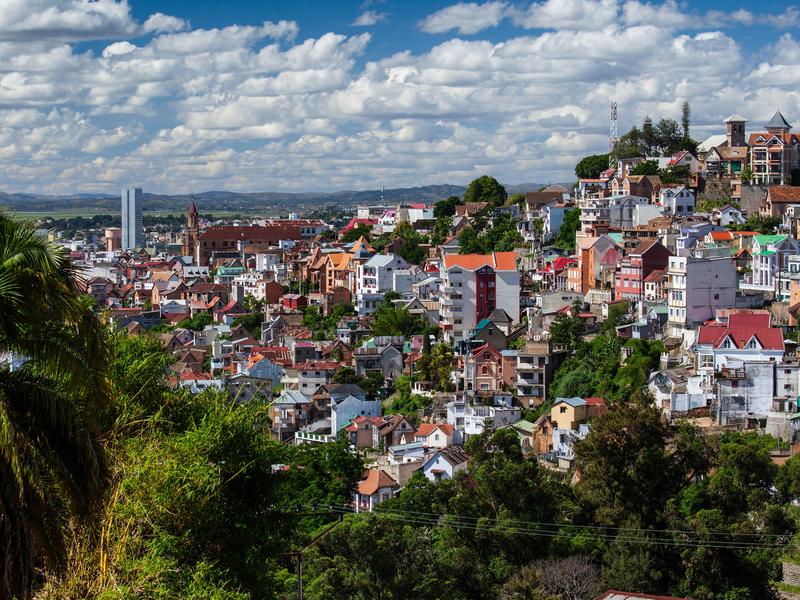
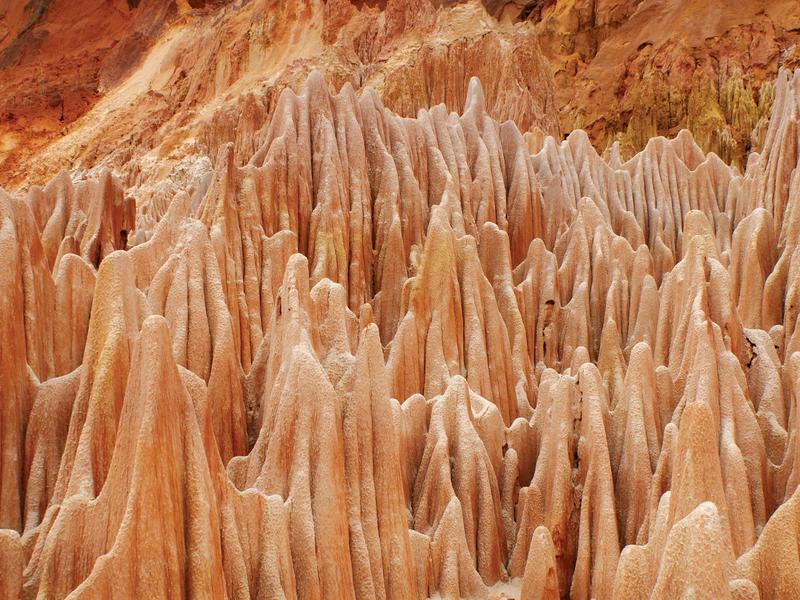
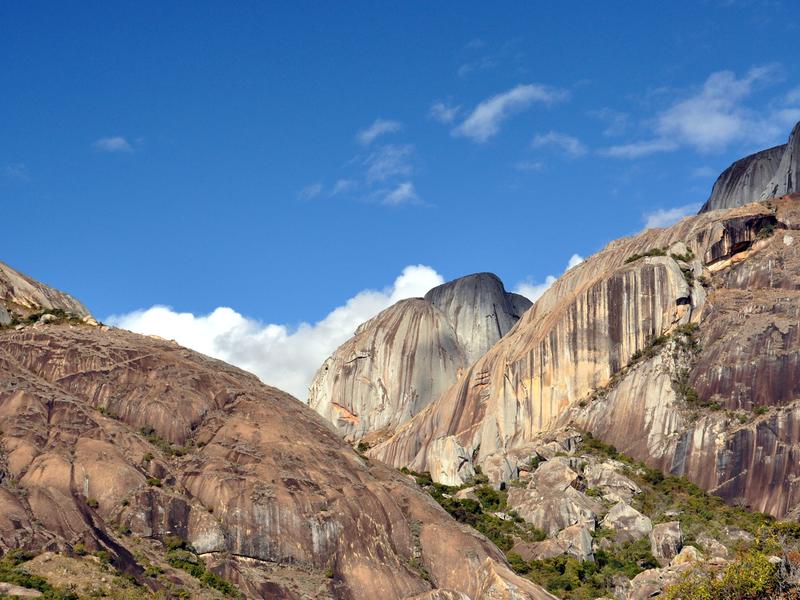
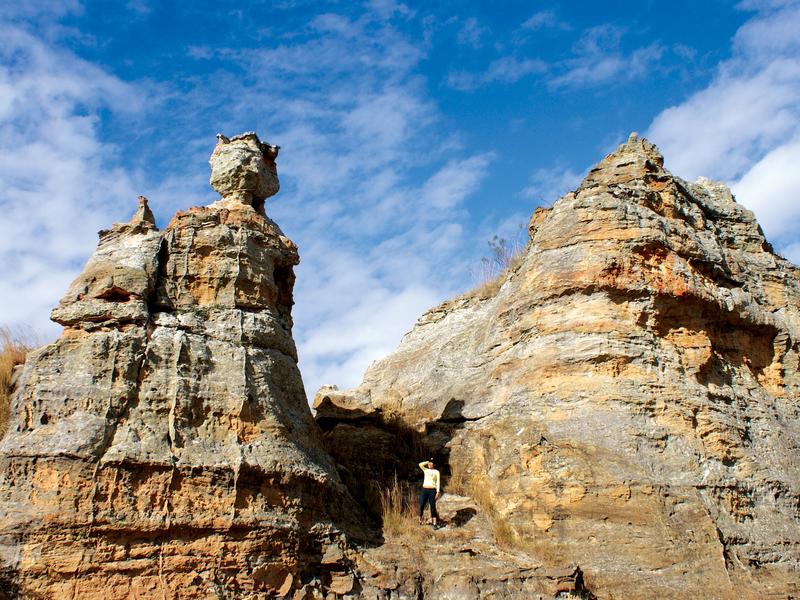
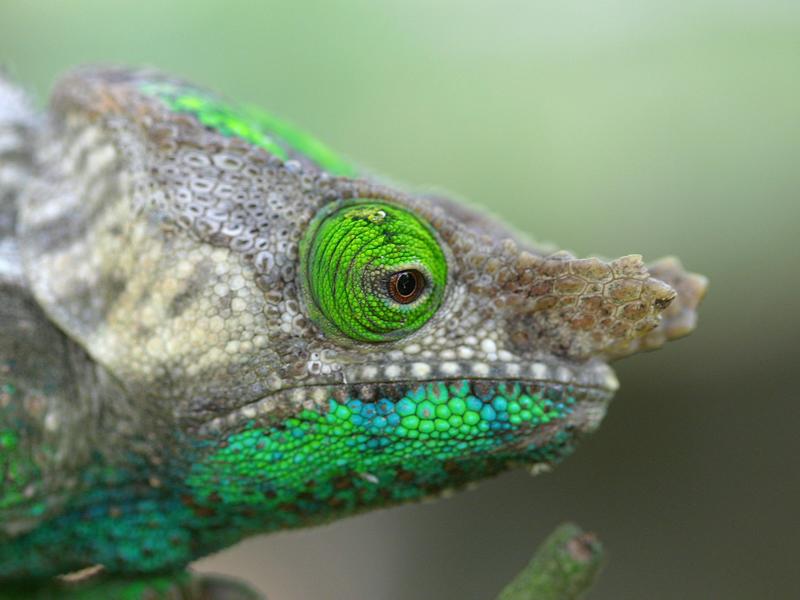
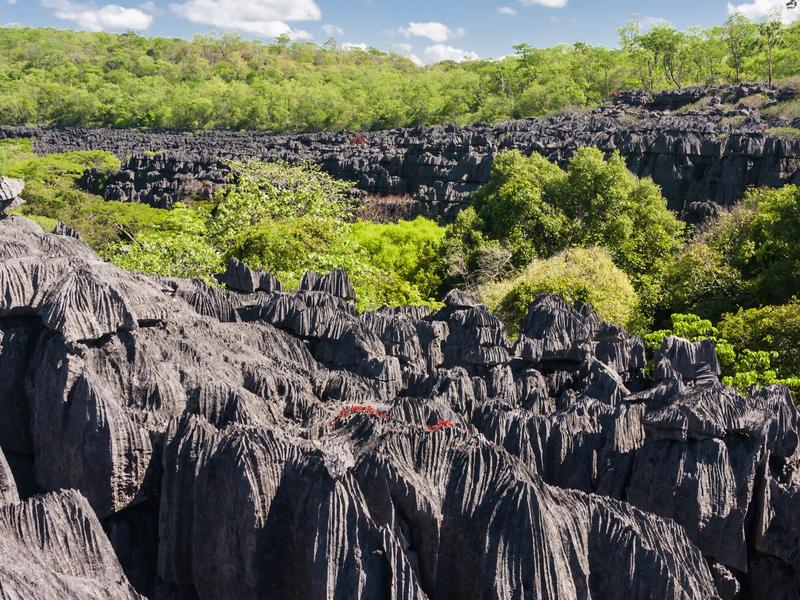
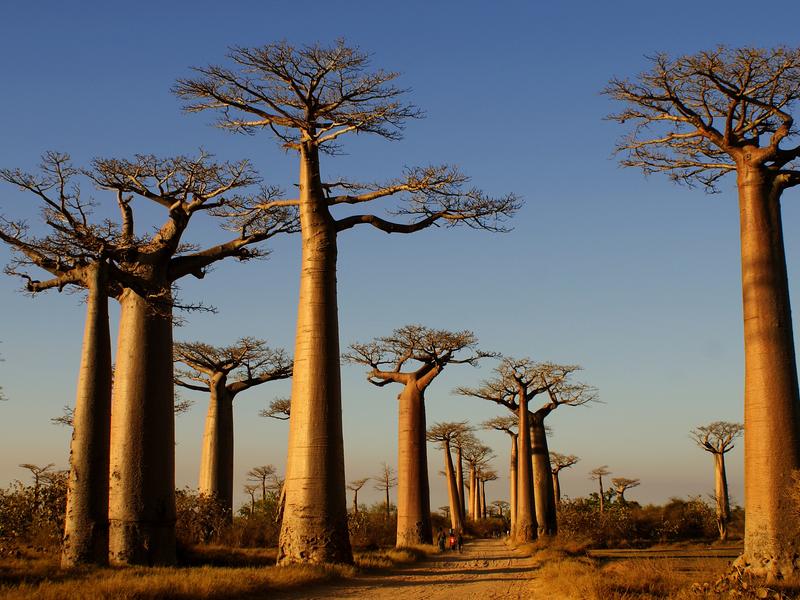
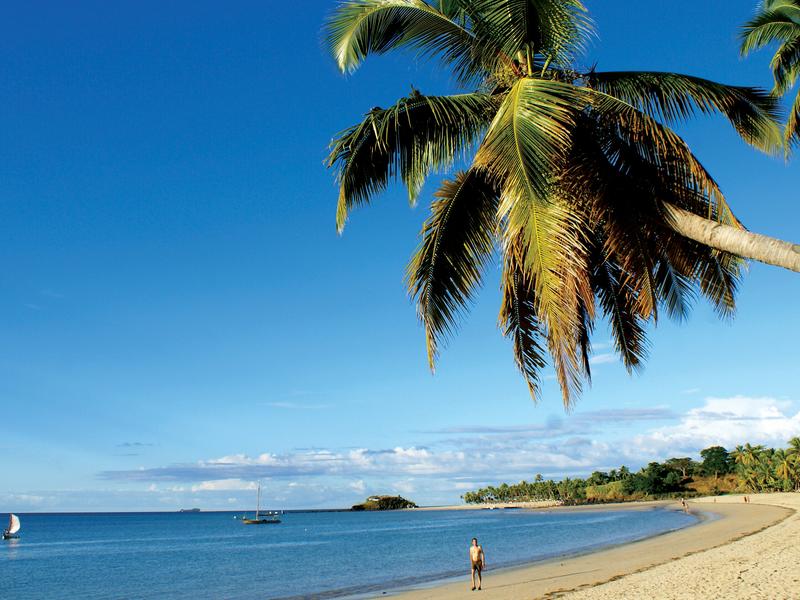
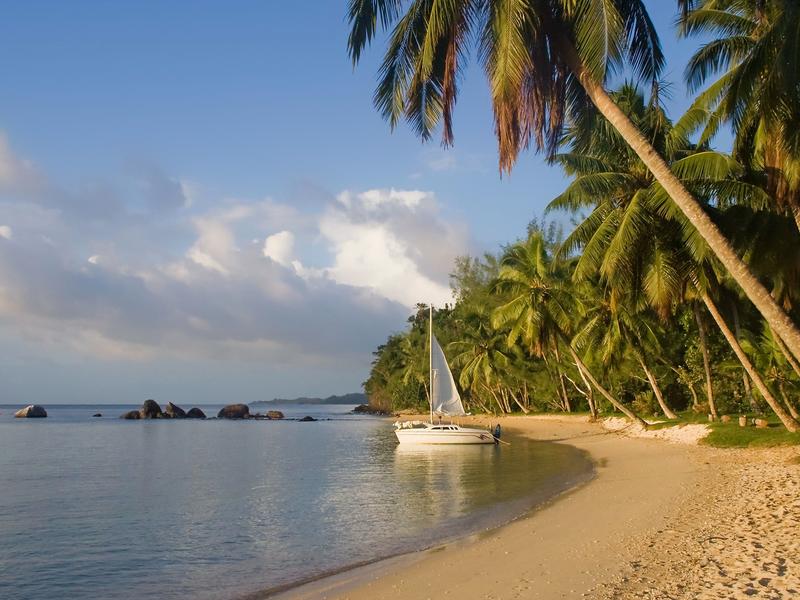
Evolution has occurred more or less in isolation on this remote island – located 400 kilometres off Africa’s east coast – with the result that much of its indigenous wildlife is found nowhere else on earth. Madagascar’s menagerie of weird and wonderful creatures includes the world’s biggest and smallest chameleons and over 70 species of lemur – long-tailed primates endemic to the island. The Madagascan landscape is no less compelling than the resident wildlife, with terrain ranging from lush jungles and palm-fringed beaches to the knife-edged karst tsingys of the Tsingy de Bemaraha National Park’s ‘stone forests’. Madagascar is an otherworldly paradise where visitors are offered a unique glimpse into a fantastical one-of-a-kind world.


Read More: Madagascar

Regions


  • Placeholder image
  • Placeholder image
  • Placeholder image
  • Antananarivo
  • Placeholder image
  • Placeholder image
  • Placeholder image
  • Placeholder image

Travel Information


General

Language:English is not widely spoken. Malagasy (which is related to Indonesian) and French are the official languages. Local dialects are also common.National…

Electricity

Plug Type: C and E Voltage (V): 220 V Frequency Hertz (Hz): 50 Hz  *A Travel plug adapter and voltage converter might be necessary…

Banking

Currency Local currency: Ariary Symbol: Ar ISO code: MGA Central bank: Central Bank of Madagascar Subunit: Iraimbilanja Banknotes:…

Cuisine

Food and water safety:  Can you drink the tap water: NoFresh fruit and veg: Yes, only if well-cooked and peeledIce: NoMeat: Yes, only if well-cookedStreet…

Climate

Annual rainfall: The average annual precipitation varies from 1,000 to 1,500 mm. Average temperature: The average annual temperatures vary between…

Transport

Air:  Main airlines: Air Madagascar International Airports: Ivato International Airport    Road: Tar roads: No Gravel…

Dress

Spring and Summer Cool, light, breathable and comfortable: Yes Lightweight warm clothes: Yes  Winter and Autumn Jerseys, cardigans,…

Health

Please consult your health-care provider 4-6 weeks prior to travel to ensure you are receiving all required vaccinations and that the medication has…

Safety

Madagascar is a fairly safe country. You must, however, respect some simple principles: Don't walk around at night in Antananarivo (other cities…

Visa

U.S. citizens are required to obtain a visa for entry into Madagascar. Non U.S. citizens should consult with your local embassy.Visas can be obtained on…


Related Tours


  • Dear David Do you remember us? We spent our holyday in Namibia in 2007 following your itinerary. This email is to inform you, that advertising of your agency is now shown in the italian travel web magazine Viaggionelmondo.net In this…

    Carla and Riccardo

  • We just came back from a safari in Botswana, Namibia and Zambia, which was organised by Charlotte at ATI Holidays. We had a truly fantastic time, and would like to thank them for their help in organising it all. The…

    Matthew Haler

General

Language:English is not widely spoken. Malagasy (which is related to Indonesian) and French are the official languages. Local dialects are also common.National Emergency Numbers (customize):118 - Fire117 - PolicePublic Holidays:The dates of certain public holidays change from year to year – refer below. If a public holiday falls on a Sunday, then the Monday is also declared a public holiday.Jan. 01 - New Year's DayMar. 29 - Martyrs' DayVaries - Easter MondayMay 01 - Labor DayVaries - Ascension DayJune 26 - Independence DayAug. 15 - AssumptionNov. 01 - All Saints' DayDec. 25 - Christmas DaySocial Conventions:Malagasy are extremely hospitable and welcoming with a refreshingly open communicative style that can sometimes border on direct. Arrangements and meetings can suffer as a result of a relaxed attitude to clock-watching. Dress is casual, except for posh hotels and restaurants where lightweight suits are advised. Military-style clothing should always be avoided as it can lead to arrest. Restaurants and bars are used for entertaining with invitations to a family home requiring a good degree of personal acquaintance. Acts of extreme kindness should be rewarded by a gift, but never money.Everyday life in Madagascar is regulated by numerous fady (taboos) which vary from one region to another. They can forbid foods (pork, lemur, turtle... ), wearing clothes of a particular color, bathing in a river or a lake. Observance of "Fady" is mostly limited to rural areas, as tourists will most likely not run into this problem if they stay in the main towns. However, there are Fady's in places such as Antananarivo but most Vazaha are exempt.Fady are attributed to ancestors, to whom Malagasy adopt a respectful attitude whatever their religion. It is safest to respect these prohibitions and not violate them, even if you feel they don't make sense. Inform yourself about local fady when you arrive in a new place.When addressing anyone older than you or in a position of authority (e.g. police, military, customs officials), use the word "tompoko (toom-pook)" the same way you would use "Sir" or "Ma'am" in English. Respect for elders and authority figures is important in Madagascar.Do not ever take photos of a tomb without permission. Always ask permission before taking photos. Also, if you go to a remote village or hamlet it is fomba or tradition that you first meet with the head of the village if you have business in the village. Meeting this person can save you a lot of time if you have work to do there. Time Zone (customize):Botswana is 2 hours ahead of Greenwich Mean Time (GMT) all year round.TippingUS Embassy

Electricity

Plug Type: C and E 
Voltage (V): 220 V 
Frequency Hertz (Hz): 50 Hz 
 
*A Travel plug adapter and voltage converter might be necessary depending on your appliances. 

Banking

Currency 
Local currency: Ariary 
Symbol: Ar 
ISO code: MGA 
Central bank: Central Bank of Madagascar 
Subunit: Iraimbilanja 
Banknotes: Notes are in denominations of Ar20,000, 10,000, 5,000, 2,000, 1,000, 500, 200 and 100. 
Coins: Coins are in denominations of Ar50, 20, 10, 5, 2, 1, and 2, 1 Iraimbilanja. 

Banking 
Card Transactions: 
ATMs: Yes, mostly in and around the capital 
Mastercard: Yes, mostly in and around the major cities 
Visa: Yes, mostly in and around the major cities 
American Express: Yes, mostly in and around the major cities 
Diner’s Club: Yes, mostly in and around the major cities 
 
Banking Hours: 
Weekdays: 08:00 –11:00 and 16:00 
Weekends: No
Public Holidays: No  
Foreign exchange services: Yes 

Cuisine

Food and water safety:  
Can you drink the tap water: No
Fresh fruit and veg: Yes, only if well-cooked and peeled
Ice: No
Meat: Yes, only if well-cooked
Street food: No

 
Local cuisine:  

Madagascar's cuisine blends African, Asian, and European influences. Staples include rice, zebu meat, and seafood, seasoned with local spices. Notable dishes are Romazava (beef stew) and Mofo Anana (bread with greens). For dessert, Koba is a mix of peanuts, bananas, and honey. 

Drinks: 

Ranovola - Burnt rice water 

Three Horses Beer 

Malagasy Wine 

Litchel - An aperitif made from lychees. 

Rhum arrangé - Homemade flavoured rums 
 
Tipping: 5% 

Climate

Annual rainfall: The average annual precipitation varies from 1,000 to 1,500 mm. 
Average temperature: The average annual temperatures vary between 23°C and 27°C along the coast and between 16°C and 19°C in the central mountains. 
 
Summer: 
Average in highs: 27°C 
Average in lows: 17°C 
 
Winter: 
Average in highs: 21°C 
Average in lows: 11°C 
 
Best time to visit: 

April to October are generally the best months to visit Madagascar. This dry, cool season is when days are bright and usually warm to very warm and nights mild, perfect for either lazy leisure seeking or a thrilling outdoor adventure.  

Transport

Air:  
Main airlines: Air Madagascar 
International Airports: Ivato International Airport   
 
Road: 
Tar roads: No 
Gravel roads: No 
Valid International Drivers License needed: Yes 
Car hire available: Yes 
Taxis: Yes 
Uber available: No 
 
Bus: 
Inter-city bus services: Yes/No 
Local city bus networks: Yes/No 
 
Rail: 
Railway system: Yes 
Subway System: No 
 
Water: 
Ferries: Yes 
Water taxis: Yes 
Leisure cruises: Yes 

Dress

Spring and Summer 
Cool, light, breathable and comfortable: Yes 

Lightweight warm clothes: Yes 
 
Winter and Autumn
 
Jerseys, cardigans, sweaters, jackets: Yes 
Heavyweight clothing and boots: No 
 
General
 
Umbrella and raincoat: Yes 
Warm gloves, hat and scarf: Yes 
Swimming costume (bathing suit): Yes 
Hat, sunglasses and sunblock: Yes 
Walking shoes: Yes 
Casual: Yes 
Smart-casual attire: Yes 
 

Health

Please consult your health-care provider 4-6 weeks prior to travel to ensure you are receiving all required vaccinations and that the medication has enough time to take effect. We highly recommend the purchase of travel insurance with medical benefits and that you bring any personal medication with you. Please also check with your health department prior to departure for any changes in health regulations.

Private and public healthcare is available, but public facilities can be very limited. Visitors should pack plenty of medication for stomach upsets as effective remedies on-the-ground are limited.

Required Immunizations/Vaccinations:

Yellow Fever- required for travelers coming from a yellow fever infected country. It is otherwise not required or recommended. You should be vaccinated at least 10 days before you travel, as this will allow enough time for your body to develop protection against the yellow fever infection. Your proof of vaccination certificate will only become valid after this time.

Recommended Immunizations/Vaccinations:

Malaria prophylaxis - highly recommended for all travelers

Malaria

Expert opinion differs regarding the best approach to malaria prophylaxis. It is important to bear in mind that malaria may be contracted despite chemoprophylaxis, especially in areas where chloroquine resistance has been reported. 

We strongly recommend you take the following preventative measures:

Use plenty of mosquito repellent. Some camps provide a locally made repellent but please bring your own as there may be skin sensitivity.
Wear long-sleeved shirts and trousers/slacks in the evenings.
Please use the mosquito net over your bed where supplied/available.
If staying in a bungalow or tent, spray with a suitable insecticide to kill any mosquitoes that may have flown into your room.
Mosquito coils are also effective.

There is a six to seven day minimum incubation period before symptoms present themselves. If you become ill on your return, while still on prophylaxis or even once you have stopped taking them, ensure that your doctor does everything to establish that your illness is not malaria. Please remember the best precaution is the preventative kind. 

It is inadvisable for pregnant women to visit malarial areas as malaria infection during pregnancy can be detrimental to both mother and child.

Food and Drink

Water quality country-wide is likely to be contaminated so water used for drinking, brushing teeth or making ice should be sterilised or boiled first. Milk is unpasteurised and so the widely-available powdered or tinned milk is advised. Dairy products are also best avoided. Vegetables should be cooked and fruit peeled. Check all food is well-cooked, especially meat and fish.

Other Risks

Bilharzia is common but travellers can avoid it by not swimming and paddling in fresh water; only clean, well-chlorinated swimming pools. Vaccinations against tuberculosis and hepatitis B are sometimes advised. There have been outbreaks of human plaguen Northwest Madagascar as well as in other regions; travellers should avoid handling sick or dead animals and take insect protection measures such as repellent.

Safety

Madagascar is a fairly safe country. You must, however, respect some simple principles:

Don't walk around at night in Antananarivo (other cities are pretty safe).
Don't exhibit signs of wealth (cameras, jewels, ...).
Similarly, always carry small bills. Paying with large bills shows off your wealth, can insult the seller because they will not have change, and opens you up for becoming a target.
Don't resist in case of aggression.
Don't provoke stray dogs.
Keep an eye on your belongings when using public transportation or visiting markets where numerous pickpockets swarm.
Learn the Malagasy word for thief, "Mpangalatra" which is pronounced "Pun-gul-ah-tra". If someone is trying to rob you in a busy market area scream this. The fact that a vazaha is screaming thief will unsettle the thief as well as alert the people near you to help.
Always listen for the words "vazaha" or "vazongo" when spoken in low tones. If you hear these words be aware that someone is talking about you, for better or for worse!

Like any other developing country, the presence of beggars never goes unnoticed. This is sometimes uncomfortable for tourists, but these people should be respected none-the-less. They are, predictably, attracted to foreigners as they view them as being wealthy and will not hesitate to ask for a handout. If you don't want to be bothered, a simple "Non, merci" or "Tsy Misy (tsee-meesh)" (I have nothing) will do the trick. If they persist, try shouting "Mandehana! (man-day-han)" (Go Away!). It is recommended not to give money, but other useful items, such as a banana, a piece of bread, etc. It is usually accepted with gratitude, and if the beggar is a child, he will run away with a smile on his face. Don't give money, take the children to a hotel and buy them something NUTRITIOUS, not candy. It is imperative not to encourage begging - in Madagascar the people do not really believe in getting something for nothing and will invariably offer you something first. For example, a chameleon to photograph.

Visa

U.S. citizens are required to obtain a visa for entry into Madagascar. Non U.S. citizens should consult with your local embassy.Visas can be obtained on arrival for $37 USD.