Kenya

Kenya

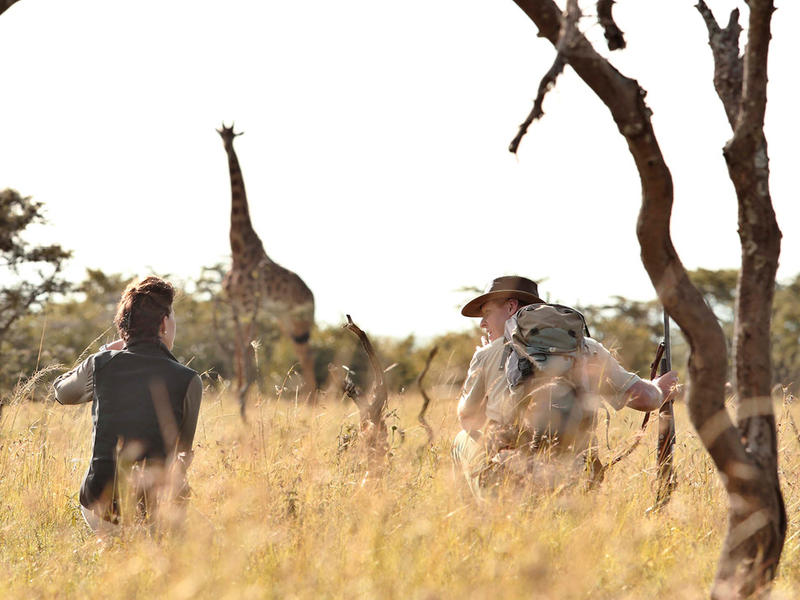
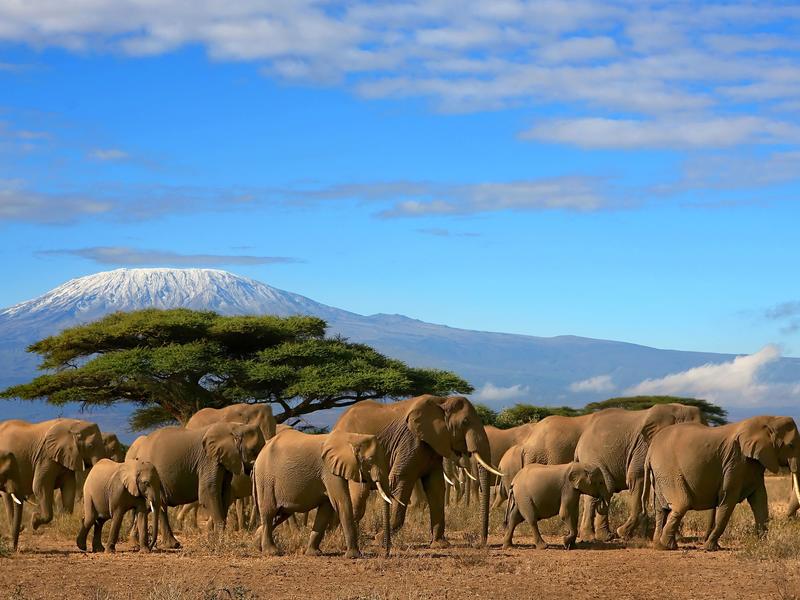
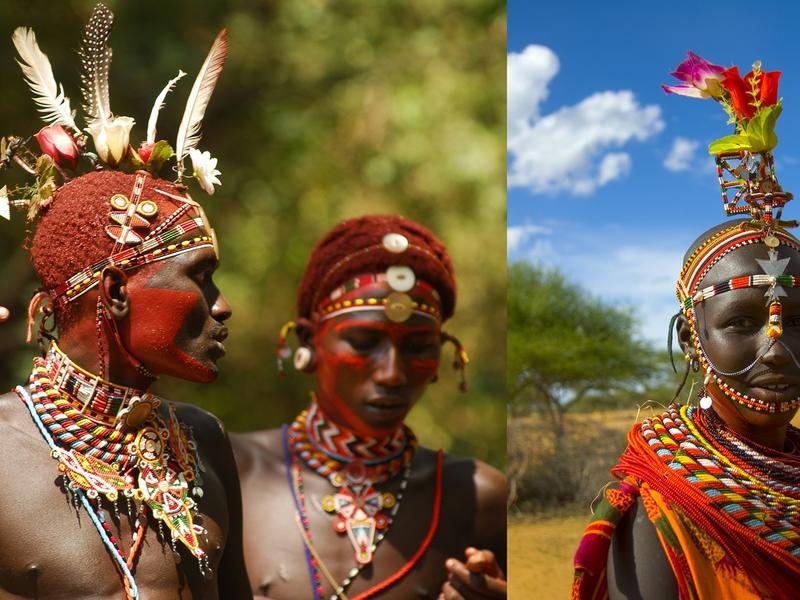
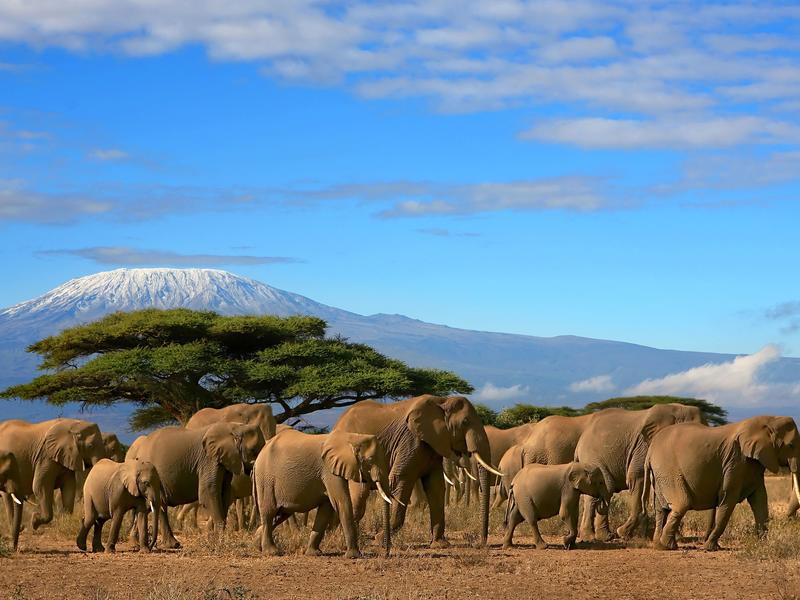
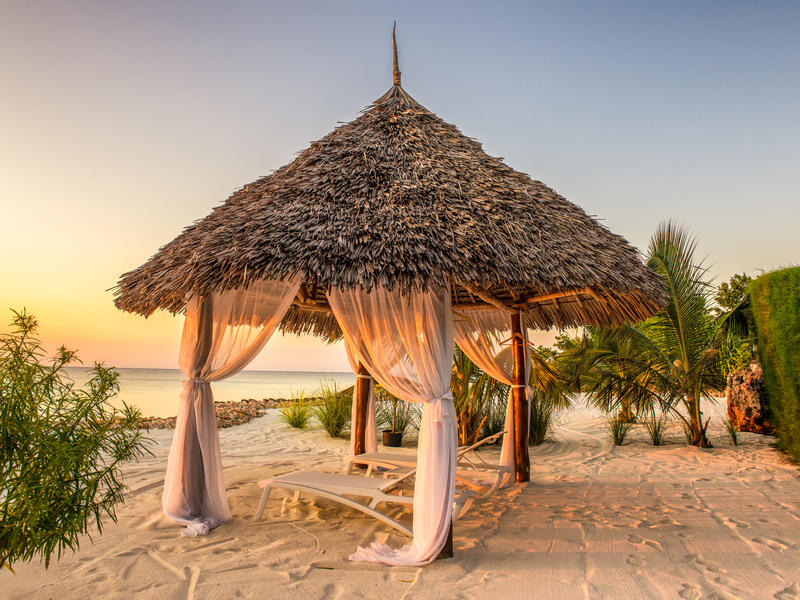
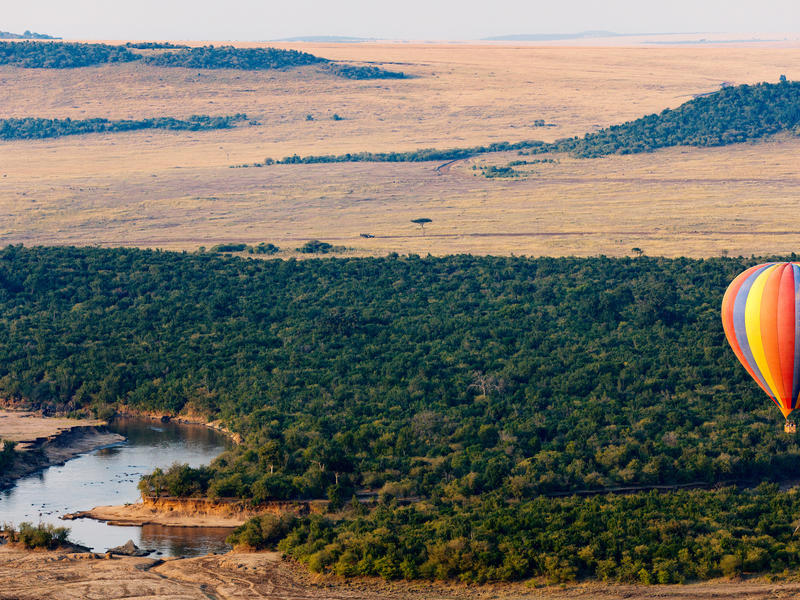
Resting in the magnificent Great Rift Valley and presided over by the majestic Mount Kilimanjaro, Kenya is characterised by hauntingly beautiful natural landscapes of forested hills, patchwork farms, wooded savanna and vast forests brimming with an extraordinary abundance of wildlife. The nation’s diverse range of traditional African cultures is influenced by over 70 unique ethnic groups from the Maasai, Samburu, Kikuyu, and Turkana tribes to the Arabs and Indians that settled on the coast. Add to this: an exquisite tropical coastline fringed with breathtaking golden sand beaches; gorgeous coral gardens providing excellent snorkeling and diving opportunities; and a slew of lively beach resorts, and it is easy to see why so many visitors flock here from around the world to experience a truly unique African adventure in one of the world’s most pristine safari destinations.

Read More: Kenya

Regions


  • Mara Naboisho Conservancy
  • Nairobi
  • Ol Pejeta Conservancy
  • Amboseli National Park
  • Placeholder image
  • Placeholder image
  • Placeholder image
  • Placeholder image

Travel Information


General

Language:Kiswahili, otherwise known as Swahili, is the ‘lingua franca’ of Kenya, Tanzania, Zanzibar and Uganda. English is very widely spoken…

Electricity

Plug Type: G Voltage (V): 240 Frequency Hertz (Hz): 50 *A Travel plug adapter and voltage converter might be necessary depending on your…

Banking

Currency:  Local currency: Kenyan Shilling  Symbol: KSh ISO code: KESCentral bank: Central Bank of KenyaSubunit: Cent Banknotes: KSh1000,…

Cuisine

Food and water safety:  Can you drink the tap water: NoFresh fruit and vegetables: No, unless thoroughly washed and peeledIce: No, unless made from…

Climate

Annual rainfall: 680 mm Average temperature: 25°C – 29°C  Summer: December-MarchAverage in highs: 26°C Average in lows: 16°C  Winter: July-OctoberAverage…

Transport

Air: Main airlines: Kenya Airways, Airkenya Express, Fly540, JamboJet, African Express Airways, Mombasa Air Safari International Airports: Jomo…

Dress

Spring and Summer Cool, light, breathable and comfortable: Yes Lightweight warm clothes: Yes  Winter and Autumn Jerseys, cardigans,…

Health

Please consult your health-care provider 4-6 weeks prior to travel to ensure you are receiving all required vaccinations and that the medication has…

Safety

Visa

VISA REQUIREMENTS:U.S. citizens are required to obtain a visa for entry into Kenya prior to arrival. Non U.S. citizens should consult with your local embassy….


Related Tours


  • Dear David Do you remember us? We spent our holyday in Namibia in 2007 following your itinerary. This email is to inform you, that advertising of your agency is now shown in the italian travel web magazine Viaggionelmondo.net In this…

    Carla and Riccardo

  • We just came back from a safari in Botswana, Namibia and Zambia, which was organised by Charlotte at ATI Holidays. We had a truly fantastic time, and would like to thank them for their help in organising it all. The…

    Matthew Haler

General

Language:Kiswahili, otherwise known as Swahili, is the ‘lingua franca’ of Kenya, Tanzania, Zanzibar and Uganda. English is very widely spoken in Kenya & Tanzania, particularly in tourist centers, hotels, lodges and main cities. Knowing a few words of Swahili will really help you out while on safari.National Emergency Numbers:Ambulance 999Police 2240000Fire Service 999Safaricom is the leading mobile company in Kenya, with arguably the broadest network coverage in the country. Since their internet signal follows their network, even in remote parts of the country, you can access the internet because of their broad strong network all over the country.Public Holidays:The dates of certain public holidays change from year to year – refer below. If a public holiday falls on a Sunday, then the Monday is also declared a public holiday.Jan 01 New Year’s DayVaries Good FridayVaries Easter MondayMay 01 Labor DayJun 1 Madaraka DaySept 10 Eid al-Firt (End of Ramadan)Oct 10 Moi DayOct 20 Kenyatta DayNov 16 Feast of SacraficeDec 12 Independence DayDec 25 Christmas DayDec 26 Boxing DayTime Zone:Kenya is GMT + 3 hours in the winter, and GMT + 2 in the summer.US EmbassyAddress: United Nations Avenue NairobiP. O. Box 606 Village Market00621 Nairobi, KenyaTel: 254 20 363-6000Fax: 254 20 363-6157Website: nairobi.usembassy.gov

Electricity

Plug Type: G 
Voltage (V): 240 
Frequency Hertz (Hz): 50 

*A Travel plug adapter and voltage converter might be necessary depending on your appliances. 

Banking

Currency:  
Local currency: Kenyan Shilling  
Symbol: KSh 
ISO code: KES
Central bank: Central Bank of Kenya
Subunit: Cent 
Banknotes: KSh1000, 500, 200, 100, 50 
Coins: KSh40, 20, 10, 5, 1 and 50, 10 cents(lesscommonly used)

Banking: 
Card Transactions:  
ATMs: Yes 
Mastercard: Yes 
Visa: Yes 
American Express: Sometimes 
Diner’s club: Sometimes 

Banking Hours:
Weekdays: 09h00 - 15h00
Weekends:Saturdays: 09h00 -12h00. Sundays: Closed. Check the specific hours of the bank branch you plan to visit, as operating hours can vary between branches and regions.
Public Holidays: No
Foreign exchange services: Yes


Cuisine

Food and water safety:  
Can you drink the tap water: No
Fresh fruit and vegetables: No, unless thoroughly washed and peeled
Ice: No, unless made from bottled or purified water
Meat: Yes, but from reputable establishments
Street food: No, unless from a reputable source and freshly prepared

Local cuisine: Kenyan food is diverse, exhibiting the different tastes and flavours of its different tribes, as well as the spices of early Arab settlers and East Indian railway workers, and the fresh seafood straight from the Swahili coast. Top dishes include Kenyan Stew, made with meat and spices; Mutura, a rich, dark goat sausage; and Mandazi, a kind of donut flavoured with cardamom and sweet coconut milk.

Drinks: 

Tusker Beer
Kenyan Coffee
Chai (Kenyan Tea)
Madafu (Fresh Coconut Water)
Maziwa Lala (Fermented Milk)

*In addition to these beverages, there are also a variety of everyday drinks available, such as fruit juices, sodas, and bottled water.

Tipping: 10%  

Climate

Annual rainfall: 680 mm 
Average temperature: 25°C - 29°C 
 
Summer: December-March
Average in highs: 26°C 
Average in lows: 16°C 
 
Winter: July-October
Average in highs: 21°C 
Average in lows: 12°C 

* Kenya, due to its equatorial location, does not experience traditional summer and winter seasons. Instead, it has periods that are cooler and drier. The climate is generally characterized by wet and dry seasons.

Best time to visit: Visiting between June and September, during the long dry season, will allow you to experience a milder climate and witness the Great Migration of wildebeest and zebra. The short dry season, from January to March, provides excellent opportunities for beach visits and outdoor activities. During the rainy seasons, you’ll find fewer tourists and stunning, lush landscapes. The long rainy season runs from March to May, and the short rainy season runs from October to December.

Transport

Air: 
Main airlines: Kenya Airways, Airkenya Express, Fly540, JamboJet, African Express Airways, Mombasa Air Safari 
International Airports: Jomo Kenyatta International Airport, Moi International Airport, Kisumu International Airport, Eldoret International Airport 

Road:

Conditions vary greatly.
Tar roads: Yes
Gravel roads: Yes
Valid International Driver's License needed: No, unless your national licence is not in English. Third party insurance is needed.
Car hire available: Yes
Taxis: Yes
Uber available: Yes

Bus: 

Inter-city bus services: Some, but not generally safe.  
Local city bus networks: No 
 
Rail:
 
Railway system: Yes 
Subway System: No
 
Water: 
Ferries: Yes
Water taxis: Yes 
Leisure cruises: Yes 

Dress

Spring and Summer 
Cool, light, breathable and comfortable: Yes 
Lightweight warm clothes: Yes 
 
Winter and Autumn
 
Jerseys, cardigans, sweaters, jackets: Yes 
Heavyweight clothing and boots: No 
 
General
 
Umbrella and raincoat: Yes, during the rainy seasons (March to May and October to December)
Warm gloves, hat and scarf: Yes, for early morning and evening game drives, especially in higher altitudes or cooler months (June to August).
Swimming costume (bathing suit): Yes 
Hat, sunglasses and sunblock: Yes 
Walking shoes: Yes 
Casual: Yes 
Smart-casual attire: Yes

Health

Please consult your health-care provider 4-6 weeks prior to travel to ensure you are receiving all required vaccinations and that the medication has enough time to take effect. We highly recommend the purchase of travel insurance with medical benefits and that you bring any personal medication with you. Please also check with your health department prior to departure for any changes in health regulations.

Required Immunizations/Vaccinations:

Yellow Fever - all travelers ≥9 months of age coming from a yellow fever infected country will be required to show a valid Yellow Fever certificate on arrival. It is otherwise not required or recommended. You should be vaccinated at least 10 days before you travel, as this will allow enough time for your body to develop protection against the yellow fever infection. Your proof of vaccination certificate will only become valid after this time.

Recommended Immunizations/Vaccinations:

Malaria prophylaxis - highly recommended for all travelers

Malaria

Expert opinion differs regarding the best approach to malaria prophylaxis. It is important to bear in mind that malaria may be contracted despite chemoprophylaxis, especially in areas where chloroquine resistance has been reported. Both chloroquine-resistant and normal strains of malaria are prevalent in Africa. 

Malaria is transmitted by a very small percentage of female Anopheles mosquitoes. They are mainly active in the early evening and throughout the night. Malaria transmission is at its highest during the warmer and wetter months. We strongly recommend you take the following preventative measures:

Use plenty of mosquito repellent. Some camps provide a locally made repellent but please bring your own as there may be skin sensitivity.
Wear long-sleeved shirts and trousers/slacks in the evenings.
Please use the mosquito net over your bed where supplied/available.
If staying in a bungalow or tent, spray with a suitable insecticide to kill any mosquitoes that may have flown into your room.
Mosquito coils are also effective.

There is a six to seven day minimum incubation period before symptoms present themselves. If you become ill on your return, while still on prophylaxis or even once you have stopped taking them, ensure that your doctor does everything to establish that your illness is not malaria. Please remember the best precaution is the preventative kind. 

It is inadvisable for pregnant women to visit malarial areas as malaria infection during pregnancy can be detrimental to both mother and child.

Stomach Upsets

It is advisable to carry medication supplied by your physician for simple stomach upsets.  In the first few days of your trip you may suffer from mild upsets attributable to a change in food and water.

Ticks

Ticks exist all over the world and are well known carriers of diseases that affect both animals and humans. Symptoms of this disease present after a 5-7 day incubation period and include fevers, headaches, malaise and even a skin rash, but effects can vary dramatically from person to person. A dark black mark usually results at the site of the infected bite and is a helpful diagnostic. The disease is easily treated with antibiotics although this is not always necessary. 

After walking in the bush it is best to brush your clothes down and to examine your body for ticks. If a tick is found, remove it entirely without leaving the biting mouth parts in your skin. Anti-tick sprays such as Bayticol can be very effective against ticks and wearing long pants will prevent many bites.

Tsetse Flies

Tsetse flies exist in large areas of sub-Saharan Africa including parts of Kenya. They are best known as the carrier of trypanosomiases – causing sleeping sickness in humans which can be fatal but is easily treated and cured. In the unlikely event that symptoms are recorded after a visit to an area containing tsetse flies, we recommend that a doctor be consulted. These symptoms can present a few weeks to months after a visit and begin with fever, headaches and pains in the joints followed by dramatic swelling of the lymph nodes. If left untreated these symptoms can evolve to cause anaemia, cardiac and kidney disorders; alternate bouts of fatigue and insomnia can disrupt the sleep cycle.

Visa

VISA REQUIREMENTS:U.S. citizens are required to obtain a visa for entry into Kenya prior to arrival. Non U.S. citizens should consult with your local embassy.