Morocco

Morocco

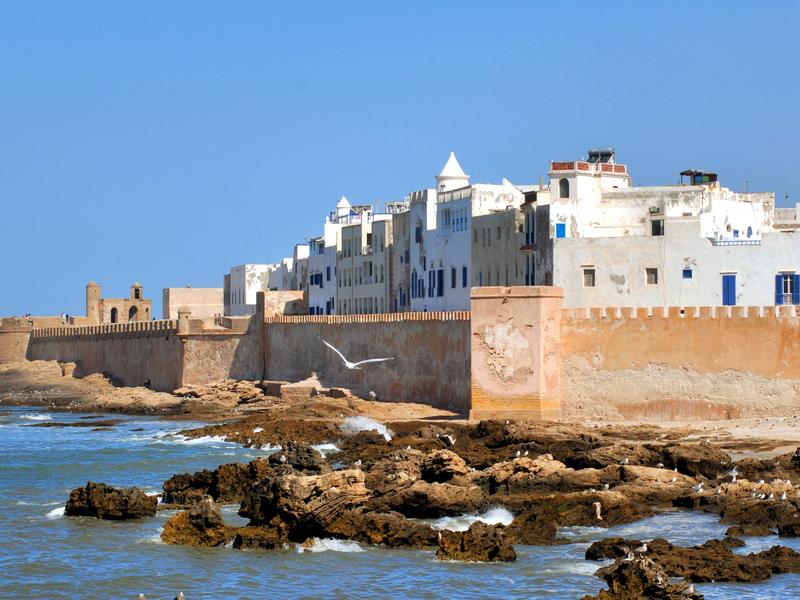
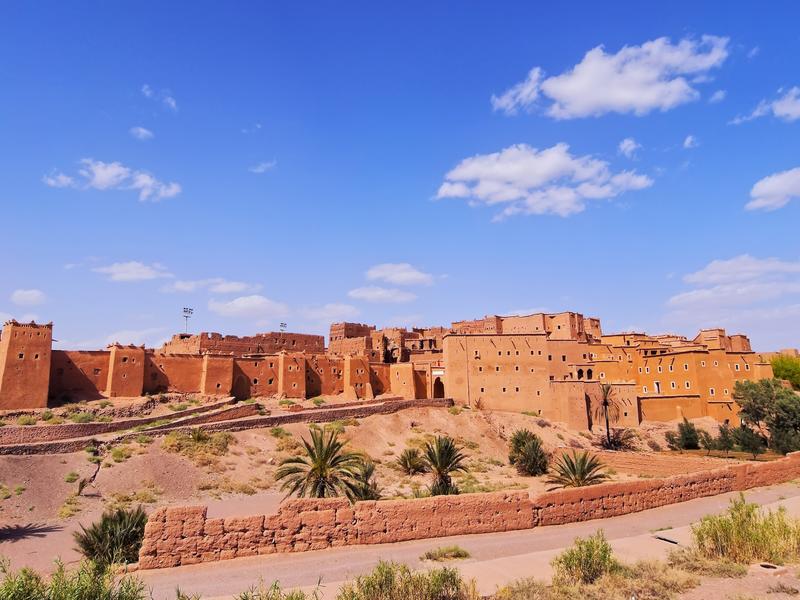
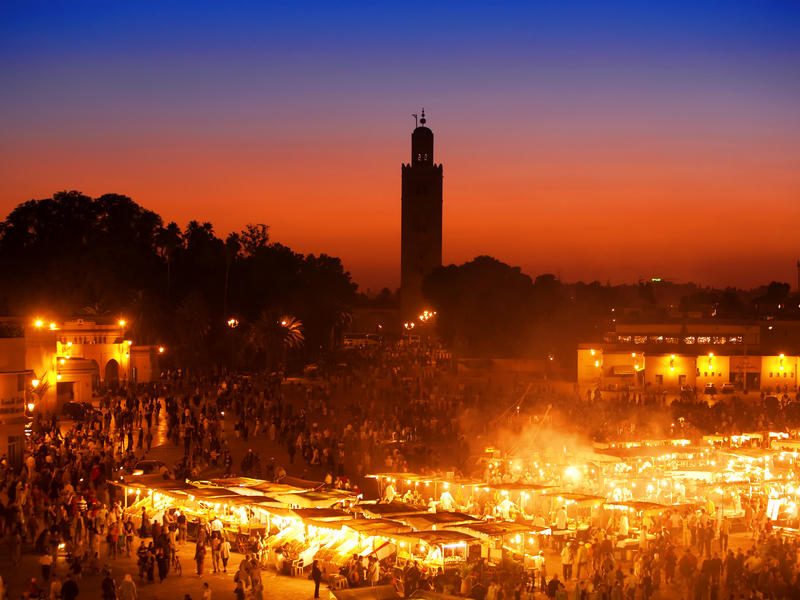
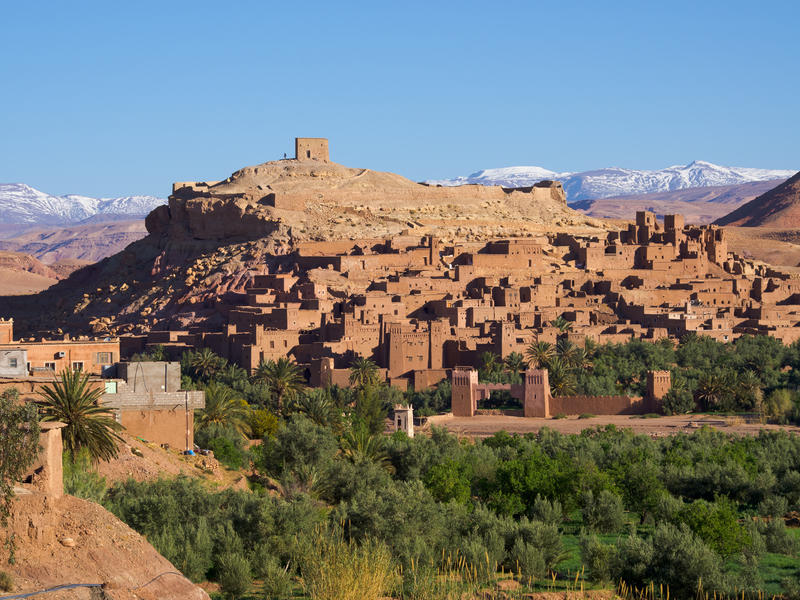
An exotic fusion of Southern Mediterranean, Arabic and African influences, Morocco is an enticing combination of ancient cities and Roman ruins, sweeping deserts and centuries-old medinas, mosques and minarets, winding alleyways and vibrant markets, gorgeous beaches and rugged mountains. The Imperial Cities of Fes, Marrakech, Meknes and Rabat have all had a stint as the national capital and are liberally studded with attractions, including a plethora of ancient architecture, museums and souks (markets). The coastal city of Casablanca boasts one of the largest mosques in the world, while Tangier, on the Mediterranean coast, features some beautiful bays and sandy coves. Visitors can look forward to sampling exotic Berber cuisine, sipping on a fresh cup of coffee or a mint tea at a streetside cafe, hike Toubkal – North Africa’s highest peak or enjoy camel trekking in the desert.


Read More: Morocco

Regions


  • Placeholder image
  • Fes
  • Placeholder image
  • Atlas Mountains
  • Placeholder image
  • Placeholder image
  • Placeholder image
  • Placeholder image

Travel Information


General

Language:The official languages are Arabic (Moroccan dialect) and Berber, a language of the original inhabitants of Morocco, prior to Arabic expansion….

Electricity

Plug Type: Type C and Type EVoltage (V): 220 VFrequency (Hz): 50 Hz* A travel plug adapter and voltage converter might be necessary depending on your appliances….

Banking

Currency:Local currency: Moroccan Dirham (MAD)Symbol: د.م. or MADISO code: MADSubunit: Cent (1/100 of a Dirham)Banknotes: 20, 50, 100, 200 dirhamsCoins:…

Cuisine

Food and water safety:Can you drink the tap water: Generally, it is advised to drink bottled water. Tap water may not always be potable.Fresh fruit and…

Climate

Annual rainfall: Approximately 600 mm (varies by region)Average temperature: 20°CSummer:Average highs: 30-35°CAverage lows: 18-25°CWinter:Average highs:…

Transport

Air:Main airlines: Royal Air Maroc, Air Arabia, among othersInternational Airports: Casablanca Mohammed V International Airport, Marrakesh Menara Airport,…

Dress

Spring and Summer:Cool, light, breathable and comfortable: YesLightweight warm clothes: NoWinter and Autumn:Jerseys, cardigans, sweaters, jackets: RecommendedHeavyweight…

Health

We highly recommend the purchase of travel insurance with medical benefits and that you bring any personal medication with you. Please also check…

Safety

Morocco is quite safe from a health point of view; however, some precautions will ensure a healthy, enjoyable trip. No vaccinations are required for travelers…

Visa

U.S. citizens do not require a visa for stays under 90 days. Non U.S. citizens should consult with your local embassy.


Related Tours


  • Dear David Do you remember us? We spent our holyday in Namibia in 2007 following your itinerary. This email is to inform you, that advertising of your agency is now shown in the italian travel web magazine Viaggionelmondo.net In this…

    Carla and Riccardo

  • We just came back from a safari in Botswana, Namibia and Zambia, which was organised by Charlotte at ATI Holidays. We had a truly fantastic time, and would like to thank them for their help in organising it all. The…

    Matthew Haler

General

Language:The official languages are Arabic (Moroccan dialect) and Berber, a language of the original inhabitants of Morocco, prior to Arabic expansion. Morocco’s close ties to France since the protectorate are still reflected in commerce, education, and the press, as well as daily conversation.Other common foreign languages are French and Spanish, particularly in the North, and English, which is taking hold in tourist areas.National Emergency Numbers:In Morocco, you can call the police by dialling 19 if you are in an urban area or you can dial 177 if you are in rural areas. You can call the firemen and medical emergency services by dialling 15.Public Holidays:The dates of certain public holidays change from year to year – refer below. If a public holiday falls on a Sunday, then the Monday is also declared a public holiday.Jan. 01 New Year's DayJan. 11 Manifesto of IndependenceFeb. 26 Aïd al-Mawlid (Prophet's Birthday)May 01 Labour DayJuly 30 Feast of the ThroneAug. 14 Fête Oued Eddahab (Oued Eddahab Allegiance Day)Aug. 20 Anniversary of the King and the People's RevolutionAug. 21 King Mohammed's BirthdayNov. 06 Marche Verte (Anniversary of the Green March)Nov. 18 Fête de l'IndépendanceTime Zone:Morocco is on Greenwich Mean Time, GMT, or 5 hours ahead of Eastern Standard Time in New York.US EMBASSYAddress: Embassy of the United States of America2 Avenue de Mohamed El FassiRabat, MoroccoTel: (212)(537)-76-22-65(212)(537)-76-96-39 (After hours)Fax: (212)(537)-76-56-61Website: morocco.usembassy.gov

Electricity

Plug Type: Type C and Type E
Voltage (V): 220 V
Frequency (Hz): 50 Hz

* A travel plug adapter and voltage converter might be necessary depending on your appliances.

Banking

Currency:
Local currency: Moroccan Dirham (MAD)
Symbol: د.م. or MAD
ISO code: MAD
Subunit: Cent (1/100 of a Dirham)
Banknotes: 20, 50, 100, 200 dirhams
Coins: 1, 5, 10 dirhams; 1, 5, 10 cents

Banking:
Card Transactions: Widely accepted
ATMs: Yes
Mastercard: Yes
Visa: Yes
American Express: Yes
Diner’s Club: Less common

Banking Hours:
Weekdays: 08:00 – 12:00, 14:00 – 17:00
Weekends: Closed
Public Holidays: Closed
Foreign exchange services: Yes

Cuisine

Food and water safety:
Can you drink the tap water: Generally, it is advised to drink bottled water. Tap water may not always be potable.
Fresh fruit and veg: Yes (ensure they are washed thoroughly)
Ice: Generally safe if from reputable places
Meat: Yes (ensure it is well-cooked)
Street food: Yes (as long as it’s from busy, reputable vendors)

Local cuisine:
Moroccan cuisine is rich and diverse, featuring dishes like couscous, tagine (slow-cooked stew), and pastilla (savory pie). Spices such as saffron, cinnamon, and cumin are commonly used. Traditional dishes are often enjoyed with mint tea.

Drinks:
Notable local drinks include Moroccan mint tea and a variety of fresh fruit juices.

Tipping: 10-15%

Climate

Annual rainfall: Approximately 600 mm (varies by region)
Average temperature: 20°C

Summer:
Average highs: 30-35°C
Average lows: 18-25°C

Winter:
Average highs: 15-20°C
Average lows: 5-10°C

Best time to visit:
The ideal time to visit Morocco is during the spring (March to May) and autumn (September to November) when temperatures are moderate and pleasant for exploring.

Transport

Air:
Main airlines: Royal Air Maroc, Air Arabia, among others
International Airports: Casablanca Mohammed V International Airport, Marrakesh Menara Airport, Tangier Ibn Battuta Airport
Domestic Airports: Numerous, including those in Fez, Agadir, and Ouarzazate

Road:
Driving on the: Right
Tar roads: Yes
Gravel roads: Yes
Valid International Driver's License needed: Yes
Car hire available: Yes
Taxis: Yes
E-hailing services: Yes (Uber in some cities)

Bus:
Inter-city bus services: Yes
Local city bus networks: Yes

Rail:
Railway system: Yes
Subway System: No (except in Casablanca with a light rail system)

Water:
Ferries: No
Water taxis: No
Leisure cruises: Yes (primarily in coastal areas)

Dress

Spring and Summer:

Cool, light, breathable and comfortable: Yes
Lightweight warm clothes: No

Winter and Autumn:
Jerseys, cardigans, sweaters, jackets: Recommended
Heavyweight clothing and boots: No

General:
Umbrella and raincoat: Yes
Warm gloves, hat and scarf: No (unless traveling to mountainous regions)
Swimming costume (bathing suit): Yes
Hat, sunglasses, and sunblock: Yes
Walking shoes: Yes
Casual: Yes
Smart-casual attire: Yes

Health

We highly recommend the purchase of travel insurance with medical benefits and that you bring any personal medication with you. Please also check with your health department prior to departure for any changes in health regulations.

If traveling with prescription medication, check with the Government of Morocco Ministry of Foreign Affairs to ensure the medication is legal in Morocco. Always carry your prescription medication in original packaging, along with your doctor’s prescription. 

Adequate medical care is available in Morocco’s largest cities, particularly in Rabat and Casablanca, although not all facilities meet Western standards.

Emergency and specialized care outside the major cities is far below U.S. standards and may not be available at all.
Most medical staff will have limited or no English-speaking ability.
Most ordinary prescription and over-the-counter medicines are widely available.
Specialized prescriptions may be difficult to fill and availability of all medicines in rural areas is unreliable. 
Travelers should not ask friends or relatives to send medications through the mail, FedEx, or UPS since Moroccan customs will impound the delivery and not release it to the recipient.
Travelers planning to drive in the mountains and other remote areas may wish to carry a medical kit and a Moroccan phone card for emergencies.
In the event of vehicle accidents involving injuries, immediate ambulance service is usually not available. The police emergency services telephone number is “190” (see Traffic Safety and Road Conditions section below).


Safety

Morocco is quite safe from a health point of view; however, some precautions will ensure a healthy, enjoyable trip. No vaccinations are required for travelers and there is little risk of contracting anything other than sunburn or an upset stomach. Besides sunscreen, we recommend you bring an intestinal medicine such as Imodium or Pepto Bismol just in case.

Visa

U.S. citizens do not require a visa for stays under 90 days. Non U.S. citizens should consult with your local embassy.