India

India

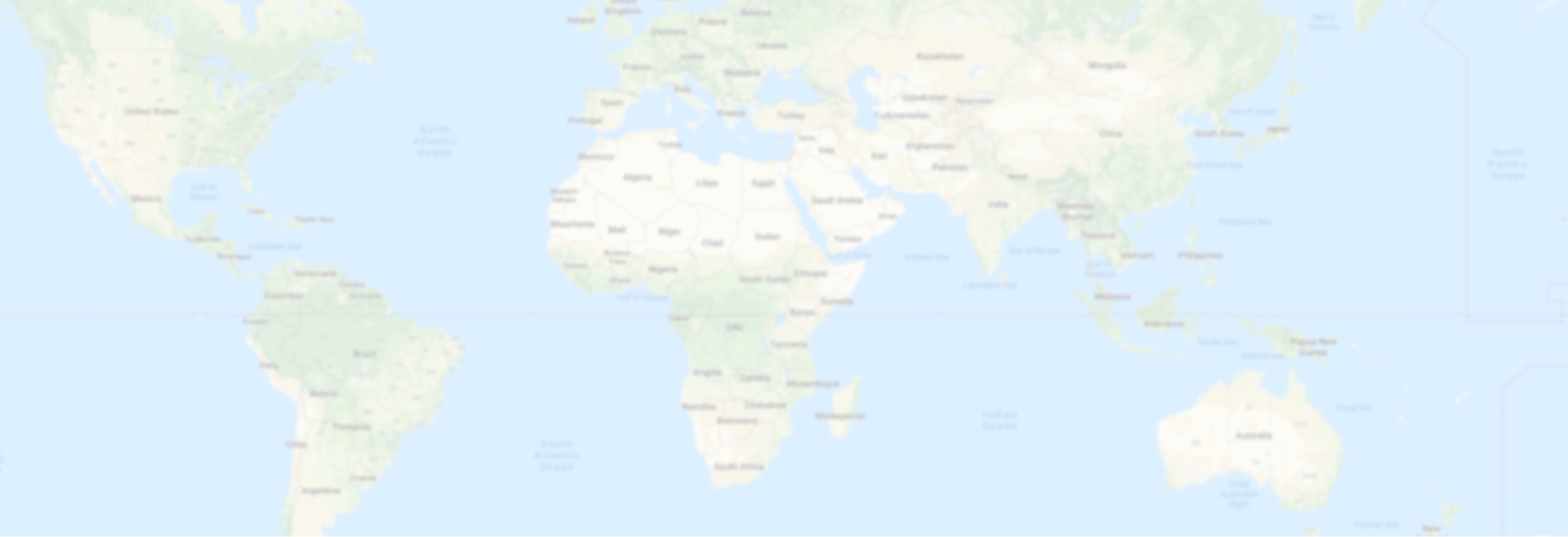
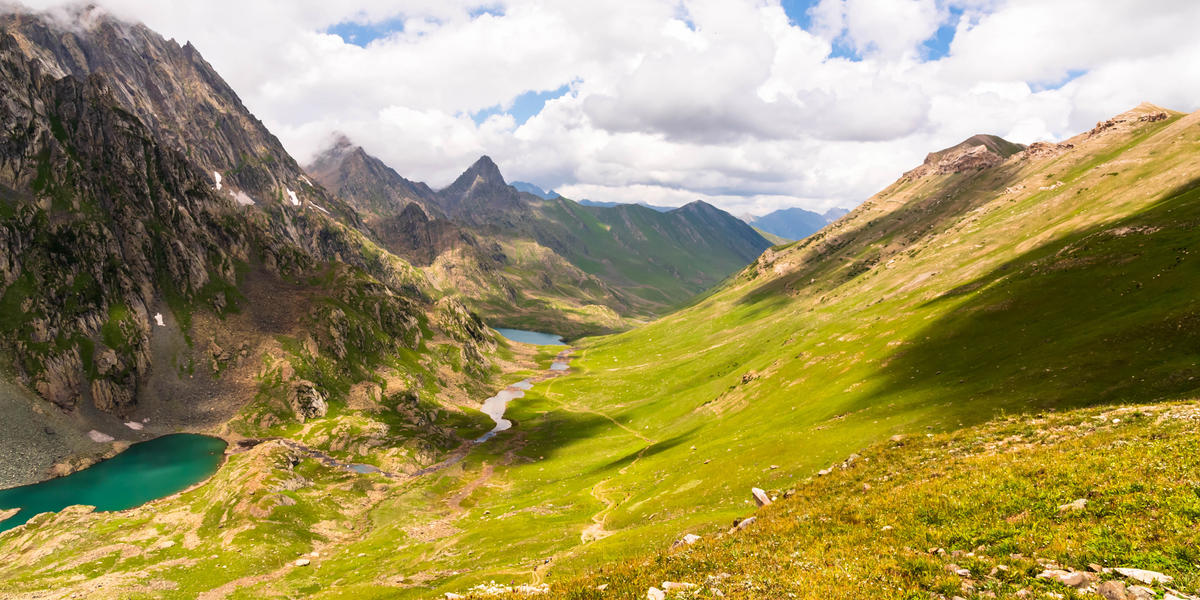
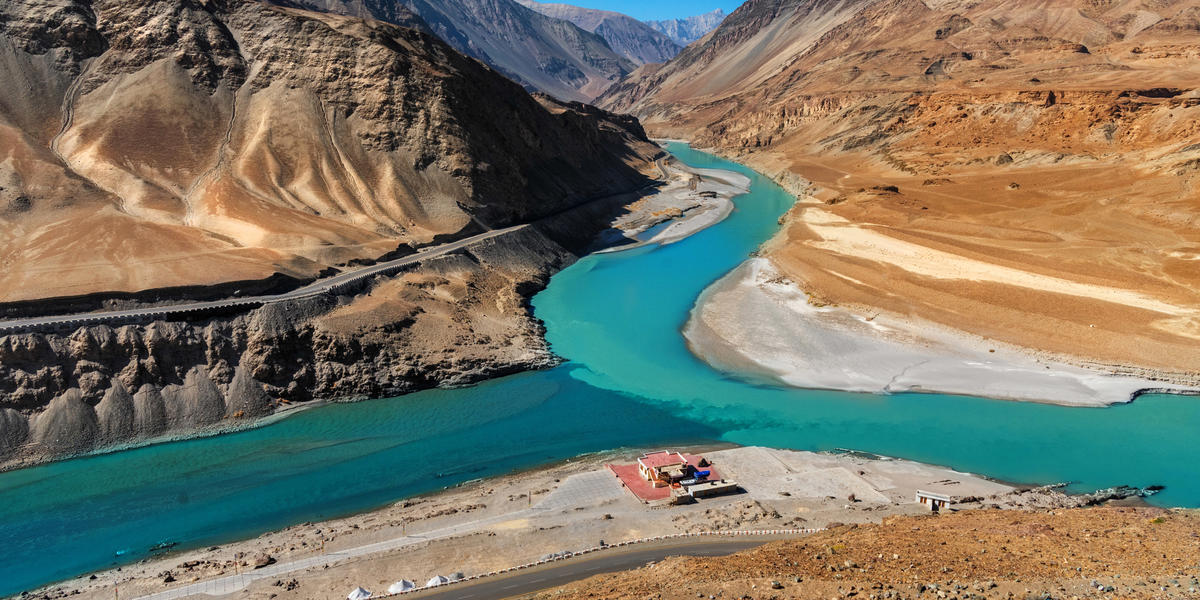
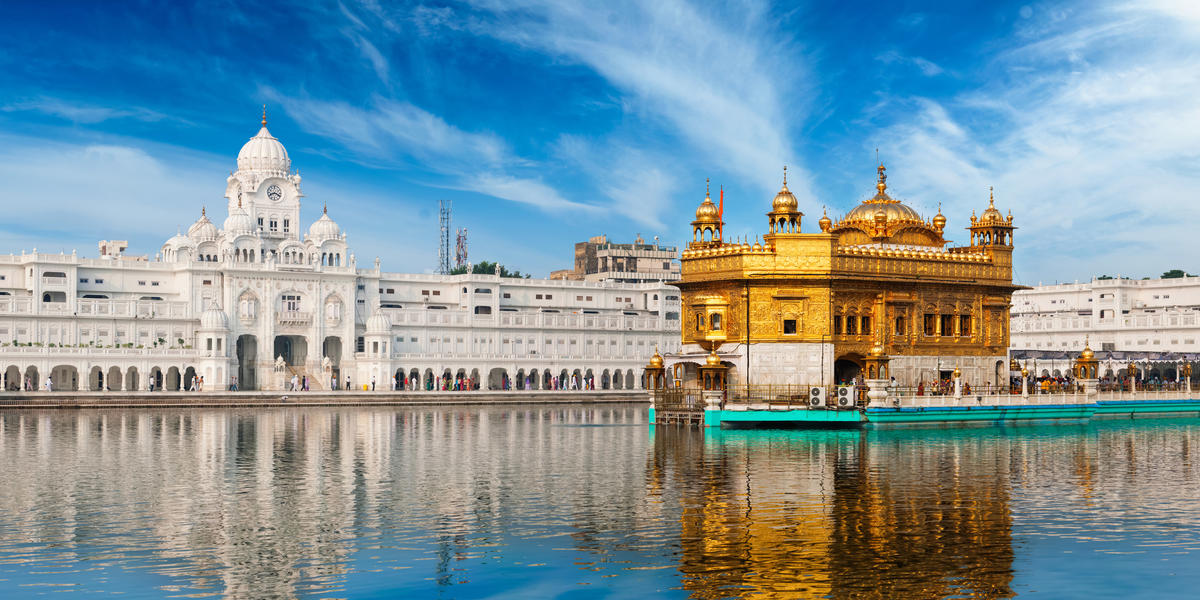
Vast, diverse, deeply spiritual and utterly unforgettable, India is unlike anywhere else on earth – a melting pot of ethnicities and religions, a treasure trove of history and culture, and a curious mixture of chaos and serenity. Stretching across more than three million square kilometres, it encompasses a staggering array of landscapes, vistas and environs, and offers unparalleled travel experiences – from the beautiful beaches of Goa, to the compelling craziness of Kolkata, the sacred Ganges river banks of Varanasi, the snow-capped peaks of the Himalayas in Kashmir and the ancient, exquisitely crafted temples dotted across the entire country. Not to mention the vibrant, friendly people, and the incredible cuisine.


Read More: India

Regions


  • Placeholder image
  • Placeholder image
  • Placeholder image
  • Placeholder image
  • Placeholder image
  • Placeholder image
  • Placeholder image
  • Placeholder image

Travel Information


General

Language:The National language is Hindi which is spoken by about 40% of the population; English is also enshrined in the constitution for a wide range…

Electricity

Plug Type: Type C, Type D, Type M Voltage (V): 230 Frequency Hertz (Hz): 50 *Travel plug adapter and voltage converter might be necessary…

Banking

Currency Local currency: Indian Rupee Symbol: ₹ ISO code: INR Subunit: Paisa Banknotes: ₹1, ₹2, ₹5, ₹10, ₹20, ₹50,…

Cuisine

Food and water safety: Can you drink the tap water: No Fresh fruit and veg: Wash thoroughly or peel Ice: Use commercially produced ice Meat:…

Climate

Annual rainfall: Varies greatly by region Average temperature: Varies greatly by region Summer: Average highs: 25-45°C Average lows:…

Transport

Air: Main airlines: Air India, IndiGo, SpiceJet, Vistara International Airports: Indira Gandhi International Airport (DEL), Chhatrapati Shivaji…

Dress

Spring and Summer Cool, light, breathable and comfortable: Yes Lightweight warm clothes: No Winter and Autumn Jerseys, cardigans, sweaters,…

Health

Please consult your health-care provider 4-6 weeks prior to travel to ensure you are receiving all required vaccinations and that the medication has enough…

Safety

Visa

U.S. citizens are required to obtain a visa for entry into India. Non U.S. citizens should consult with your local embassy. Certain parts of the country…


Related Tours


  • Dear David Do you remember us? We spent our holyday in Namibia in 2007 following your itinerary. This email is to inform you, that advertising of your agency is now shown in the italian travel web magazine Viaggionelmondo.net In this…

    Carla and Riccardo

  • We just came back from a safari in Botswana, Namibia and Zambia, which was organised by Charlotte at ATI Holidays. We had a truly fantastic time, and would like to thank them for their help in organising it all. The…

    Matthew Haler

General

Language:The National language is Hindi which is spoken by about 40% of the population; English is also enshrined in the constitution for a wide range of official purposes. In addition, 17 regional languages are recognized by the constitution. These include Bengali, Gujarati, Oriya and Punjabi, which are widely used in the north, and Tamil and Telugu, which are common in the south. Other regional languages include Kannada, Malayalam and Marathi. The Muslim population largely speaks Urdu.National Emergency Numbers:The India emergency number for services such as police, fire and ambulance is 112.Public Holidays:The dates of certain public holidays change from year to year – refer below. If a public holiday falls on a Sunday, then the Monday is also declared a public holiday.Jan. 01 - New Year’s DayJan. 26 - Republic Day*Varies - MahashivratriVaries - Milad-Un-Nabi (Birth of the Prophet)Varies - Mahavir JayanthiVaries - Good FridayVaries - Easter MondayVaries - Buddha PurnimaAug. 15 - Independence Day *Sept. 02 - JanmashtamiVaries - Id ul Fitr (End of Ramadan)Oct. 02 - Mahatma Gandhi's Birthday *Oct. 17 - Dussehra (Vijaya Dashami)Nov. 02 - Guru Nanak's BirthdayVaries - Deepavali or Diwali (Festival of Lights)Varies - Idu'l Zuha/Bakrid (Feast of the Sacrifice)Varies - Muharram (Islamic New Year)Dec. 25 - Christmas DayDec. 26 - Boxing Day*Only the secular holidays of Republic Day, Independence Day and Mahatma Gandhi’s Birthday are universally observed.• Public holidays in India tend to be observed on a strictly regional basis. The above dates are Government of India holidays, when government offices will be closed nationwide. In addition, there are numerous festivals and fairs which are also observed in some states as holidays, the dates of which change from year to year.• Muslim festivals are timed according to local sightings of various phases of the moon and the dates given above are approximations. During the lunar month of Ramadan that precedes Eid al-Fitr, Muslims fast during the day and feast at night and normal business patterns may be interrupted. Many restaurants are closed during the day and there may be restrictions on smoking and drinking.• Although not government official holidays, Christmas Day (25 Dec) and New Year's Day (1 Jan) are widely observed nationally.Social conventions:The traditional Hindu greeting is to fold the hands and tilt the head forward to “Namaste” Indian women generally prefer not to shake hands. All visitors are asked to remove footwear when entering places of religious worship. Most Indians also remove their footwear when entering their homes; visitors should follow suit. Many Hindus are vegetarian and many, especially women, do not drink alcohol. Most Sikhs and Parsis do not smoke. Women are expected to dress modestly and men should also dress respectfully. Women should not wear short skirts and tight or revealing clothing, although there is a more casual approach to clothing in Goa.Time Zone:The time zone for India is UTC+5:30.TippingVisitors are not to be expected to tip taxi drivers. However, hotel, airport and train station porters should be tipped approximately Rs50/bag. If a service charge is not included, tip guides Rs 200 and drivers approximately Rs350 per day or 10 percent where appropriate. In restaurants, if the service was good, tip anything between approx 5-10% of the bill. Depending on the category of the hotel, and the bill amount. It's not mandatory, you may not leave a tip if you don't want to. On receipts, it will often say "Service Charge." This is NOT an automatic tip charge on your bill. It is a government issued tax that has nothing to do with the service your waiter provided you. US EmbassyAddress: Shantipath, Chanakyapuri New Delhi - 110021Tel: 011-91-11-2419-8000Fax: 011-91-11-2419-0017Website: newdelhi.usembassy.gov/

Electricity

Plug Type: Type C, Type D, Type M 
Voltage (V): 230 
Frequency Hertz (Hz): 50 

*Travel plug adapter and voltage converter might be necessary depending on your appliances. 

Banking

Currency 

Local currency: Indian Rupee 
Symbol: ₹ 
ISO code: INR 
Subunit: Paisa 
Banknotes: ₹1, ₹2, ₹5, ₹10, ₹20, ₹50, ₹100, ₹200, ₹500, ₹2000 
Coins: ₹1, ₹2, ₹5, ₹10 

Banking 

Card Transactions: Yes 
ATMs: Yes 
Mastercard: Yes 
Visa: Yes 
American Express: Limited acceptance 
Diner’s club: Limited acceptance 

Banking Hours: 
Weekdays: 9:00 AM to 4:00 PM 
Weekends: Limited hours or closed 
Public Holidays: Yes (Varies, typically reduced hours) 
Foreign exchange services: Yes 

Cuisine

Food and water safety: 
Can you drink the tap water: No 
Fresh fruit and veg: Wash thoroughly or peel 
Ice: Use commercially produced ice 
Meat: Ensure it's well-cooked 
Street food: Yes 

Local cuisine: Indian cuisine is diverse and varies greatly by region. Highlights include dishes like biryani, curry, dosa, chaat, and tandoori specialties. Vegetarian options are plentiful. 

Drinks: Chai, lassi, sugarcane juice, and various regional beverages like coconut water. Alcoholic beverages are available, with beer and whiskey being popular choices. 

Tipping: Generally 5-10% in restaurants; tipping for other services is discretionary. 

Climate

Annual rainfall: Varies greatly by region 
Average temperature: Varies greatly by region 

Summer: 
Average highs: 25-45°C 
Average lows: 20-30°C 

Winter: 
Average highs: 10-25°C 
Average lows: 5-15°C 

Best time to visit: The best time to visit India depends on the region and your preferences. Generally, the winter months from October to March offer milder temperatures and are ideal for exploring most parts of the country. 

Transport

Air: 
Main airlines: Air India, IndiGo, SpiceJet, Vistara 
International Airports: Indira Gandhi International Airport (DEL), Chhatrapati Shivaji Maharaj International Airport (BOM), Kempegowda International Airport (BLR), and others 
Domestic Airports: Numerous 

Road: 
Driving on the: Left 
Tar roads: Yes 
Gravel roads: Limited 
Valid International Driver's License needed: Yes 
Car hire available: Yes 
Taxis: Yes 
E-hailing services: Yes 

Bus: 
Inter-city bus services: Yes 
Local city bus networks: Yes 

Rail: 
Railway system: Extensive 
Subway System: Limited (in select cities) 

Water: 
Ferries: Limited 
Water taxis: Limited 
Leisure cruises: Limited 

Dress

Spring and Summer 
Cool, light, breathable and comfortable: Yes 
Lightweight warm clothes: No 

Winter and Autumn 
Jerseys, cardigans, sweaters, jackets: Recommended 
Heavyweight clothing and boots: No 

General 
Umbrella and raincoat: Yes 
Warm gloves, hat and scarf: No 
Swimming costume (bathing suit): Yes 
Hat, sunglasses and sunblock: Yes 
Walking shoes: Yes 
Casual: Yes 
Smart-casual attire: Yes 

Health

Please consult your health-care provider 4-6 weeks prior to travel to ensure you are receiving all required vaccinations and that the medication has enough time to take effect. We highly recommend the purchase of travel insurance with medical benefits and that you bring any personal medication with you. Please also check with your health department prior to departure for any changes in health regulations.

The quality of medical care in India varies considerably. Medical care in the major population centers approaches and occasionally meets Western standards, but adequate medical care is usually very limited or unavailable in rural areas.

Required Immunizations/Vaccinations:

Yellow Fever - all travelers coming from a yellow fever infected country will be required to show a valid Yellow Fever certificate on arrival. It is otherwise not required or recommended. You should be vaccinated at least 10 days before you travel, as this will allow enough time for your body to develop protection against the yellow fever infection. Your proof of vaccination certificate will only become valid after this time.

Recommended Immunizations/Vaccinations:

Malaria prophylaxis - recommended for all travelers

Malaria

Expert opinion differs regarding the best approach to malaria prophylaxis. It is important to bear in mind that malaria may be contracted despite chemoprophylaxis, especially in areas where chloroquine resistance has been reported. 

We strongly recommend you take the following preventative measures:

Use plenty of mosquito repellent. Some camps provide a locally made repellent but please bring your own as there may be skin sensitivity.
Wear long-sleeved shirts and trousers/slacks in the evenings.
Please use the mosquito net over your bed where supplied/available.
If staying in a bungalow or tent, spray with a suitable insecticide to kill any mosquitoes that may have flown into your room.
Mosquito coils are also effective.

There is a six to seven day minimum incubation period before symptoms present themselves. If you become ill on your return, while still on prophylaxis or even once you have stopped taking them, ensure that your doctor does everything to establish that your illness is not malaria. Please remember the best precaution is the preventative kind. 

It is inadvisable for pregnant women to visit malarial areas as malaria infection during pregnancy can be detrimental to both mother and child.

Visa

U.S. citizens are required to obtain a visa for entry into India. Non U.S. citizens should consult with your local embassy.

Certain parts of the country have been designated protected or restricted areas that require special permits and in some cases prior government authorization. Intent to visit a specific restricted region should be indicated when applying for a visa and a permit will be granted to visit that region only. An additional form must be completed. US citizens can apply online here: https://indiavisa.travisaoutsourcing.com/homepage.

US citizens are now eligible to receive a tourist visa on arrival. The online application should be submitted minimum 4 days in advance and maximum 30 days of proposed date of travel. 

Purpose and validity: 

Entry into India within 30 days from the date of approval of ETA.
Valid for 30 days stay in India from the date of arrival in India.
Allowed to enter and depart from any of the 9 airports: viz Bengaluru, Chennai, Kochi, Delhi, Goa, Hyderabad, Kolkata, Mumbai and Thiruvananthapuram.
Cannot be availed more than twice in a calendar year. 

Instructions:

Apply online at https://indianvisaonline.gov.in/visa/tvoa.html 
Upload photo and passport page:

The photograph must be a recent front facing photograph with white background.  The background should be plain light color or white background.  There should not be shadows on the face or on the background. 
The photograph must be saved as JPEG in a RGB format and should be 350 x 350 pixels.  
The passport page must be a scanned page of passport containing photo and personal details

Pay Visa fee online using credit or debit card. Visa fee is US$60 + bank transaction charges
Receive ETA online (ETA will be sent to registered email)
Print ETA and pack with your travel documents. Applicant must carry a copy of ETA along with him / her at the time of travel.