Adjoining the Makgadikgadi Pans National Park on its northern border, the Nxai Pans were once salt lakes. Today, the Nxai Pan National Park preserves this precious area, which is rich in biodiversity and is now characterised by grasslands dotted with trees and small pans that fill in the rainy season. The striking, famous Baines Baobabs, first drawn by the renowned explorer in the 1860s are a must-see, and there are several activities to look forward to. Take a 4WD sunset or sunrise game drive, or a birdwatching tour. The Nxai Pan is a breeding ground for wildebeest, gemsbok, zebra, and eland, and an impressive list of other animals can be seen quite easily too including lions, ostriches, giraffes, cheetahs, jackals, bat-eared fox, and even the elusive nocturnal porcupine.
The secret safari superstar is home to a great migration! Follow explorers to the little-visited Nxai Pan National Park, an extension of the Makgadikgadi Salt Pan network.
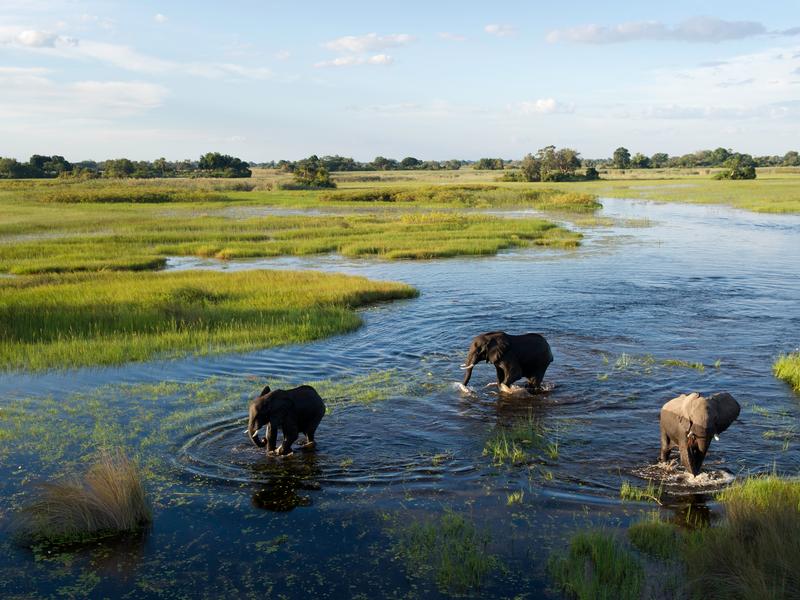
Zebras migrate here by the thousands to drop their young during the rainy season, completing the longest mammal migration in Southern Africa. Dust-white elephants depend on the permanent waterhole at Nxai Pan Camp (the only permanent camp in the national park) during the dry season, and predators, such as Kalahari Black-maned lions, lurk, waiting for prey to take an unsuspecting sip. There are also a vast springbok population, wildebeest, bat-eared foxes and large groups of giraffes.
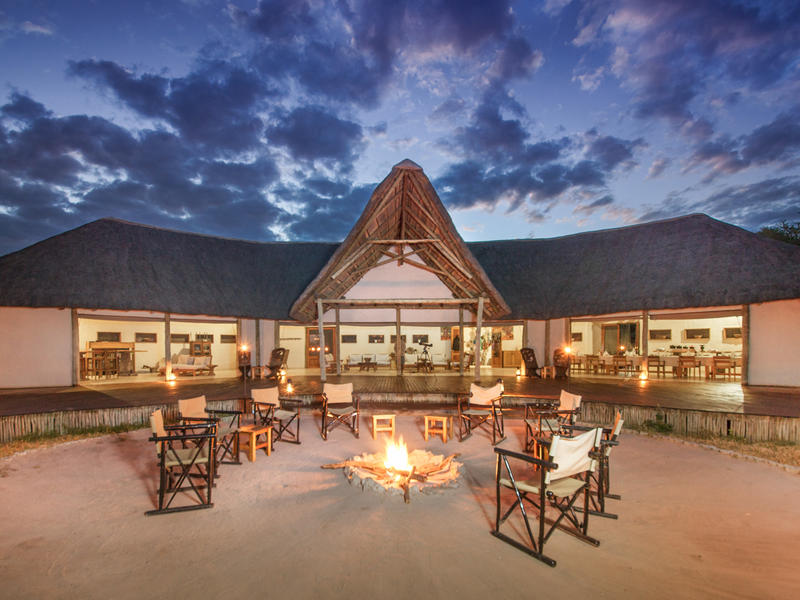
Nine spacious tents include a relaxed lounge area, indoor and outdoor showers and a veranda facing the waterhole. One room has an additional twin bedroom for family use. The main area has a swimming pool and minimalist open-air lounge with decor echoing the salt pan landscapes. The thatched dining area and bar maintain a comfortable temperature year-round.