Antarctica

Antarctica

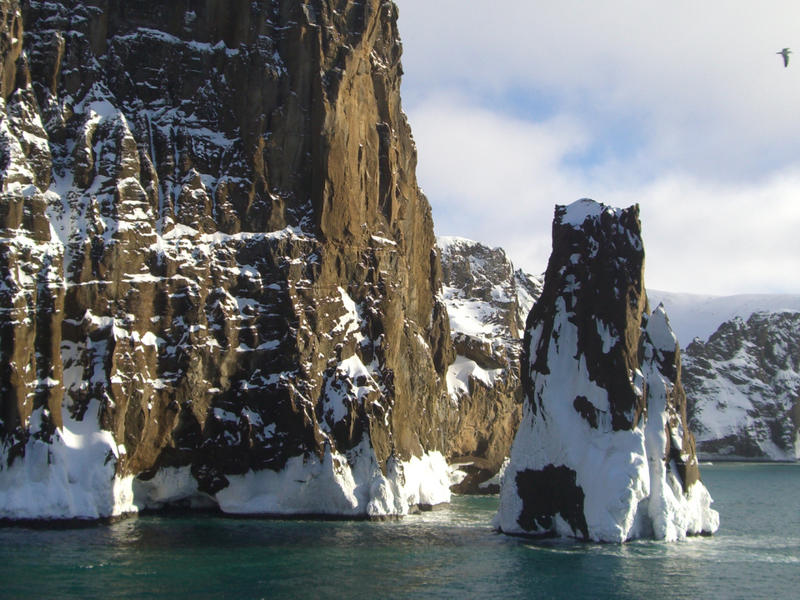
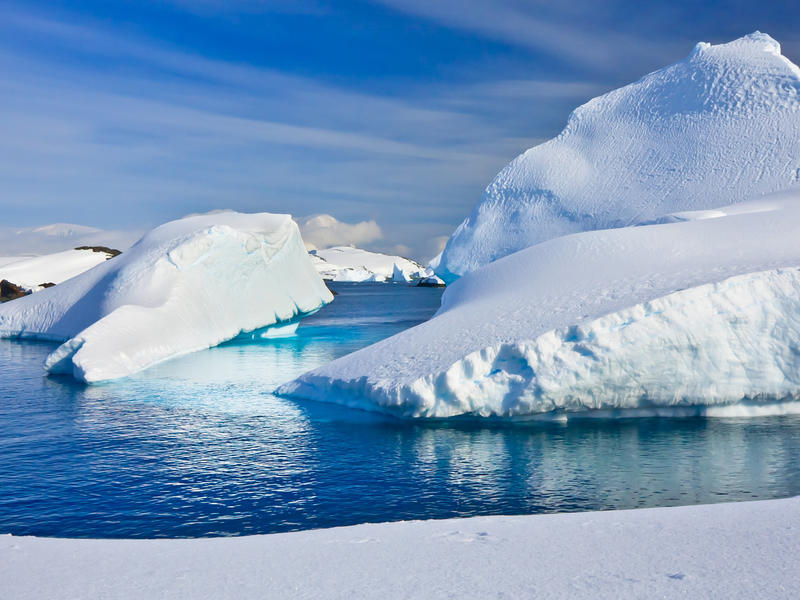
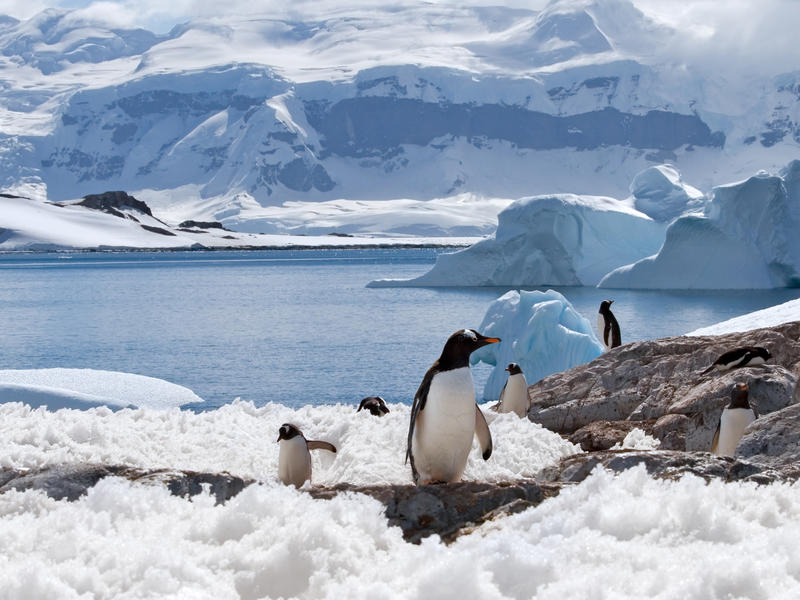
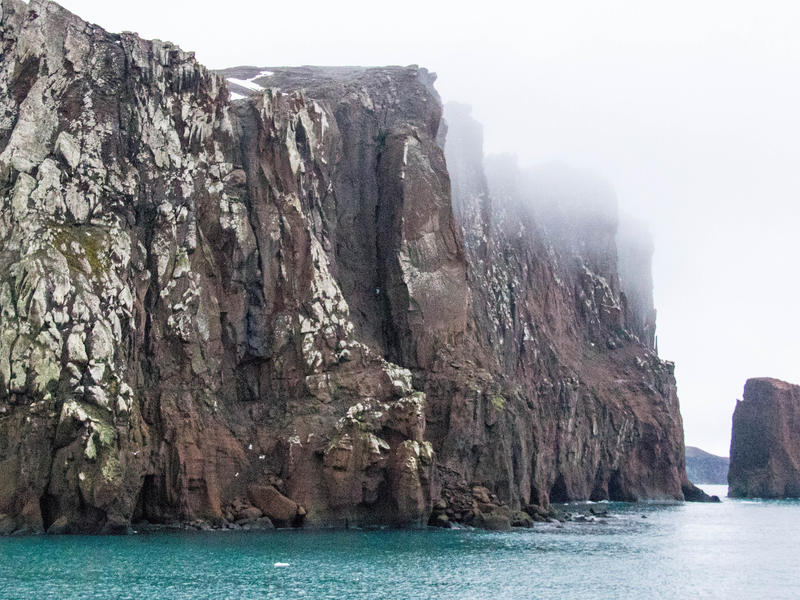
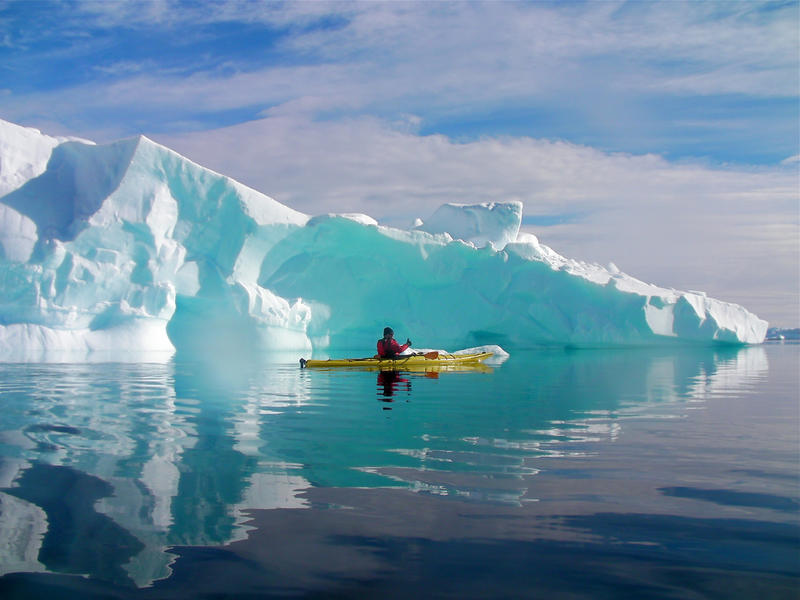
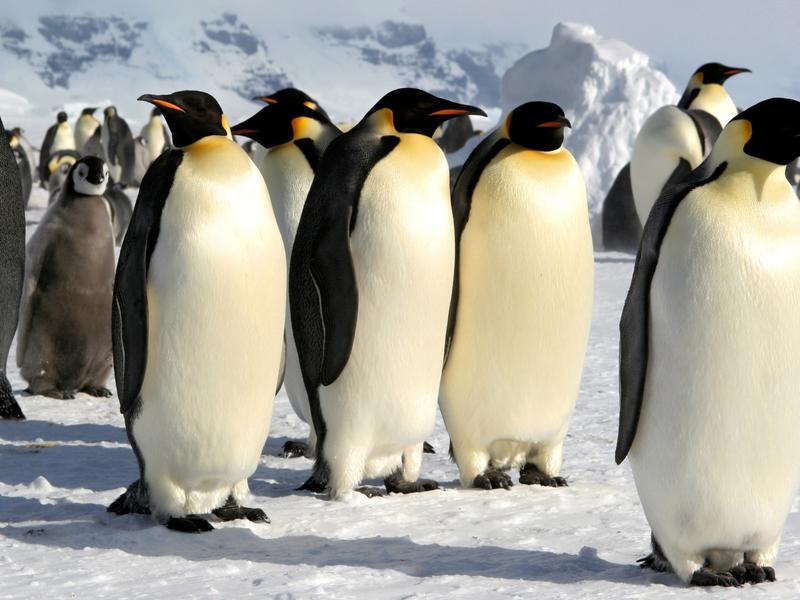
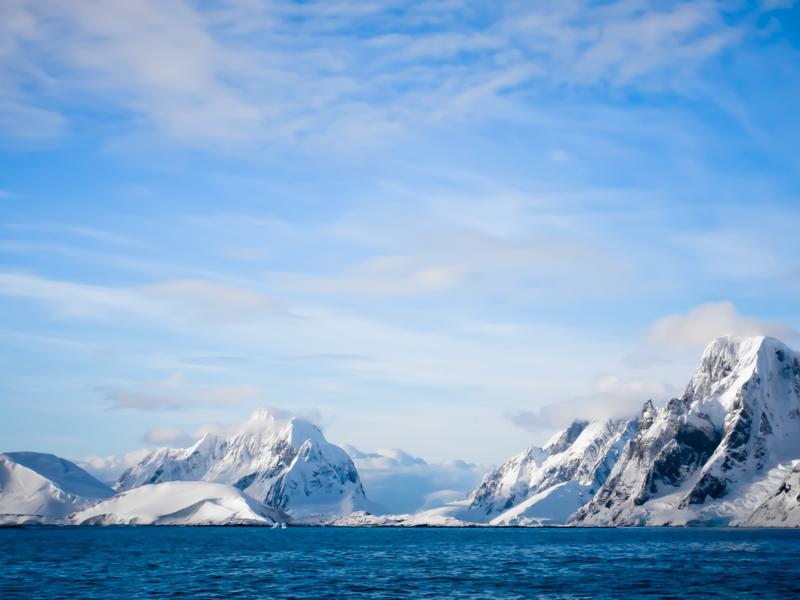
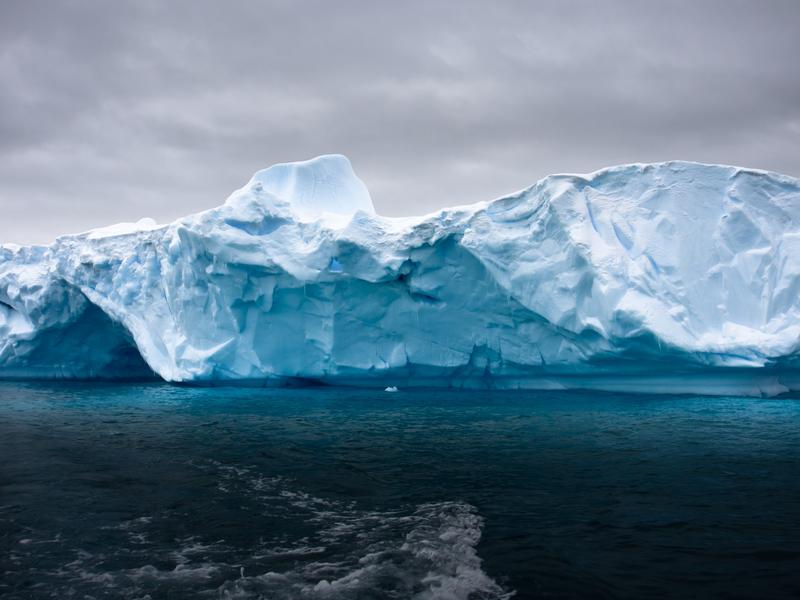
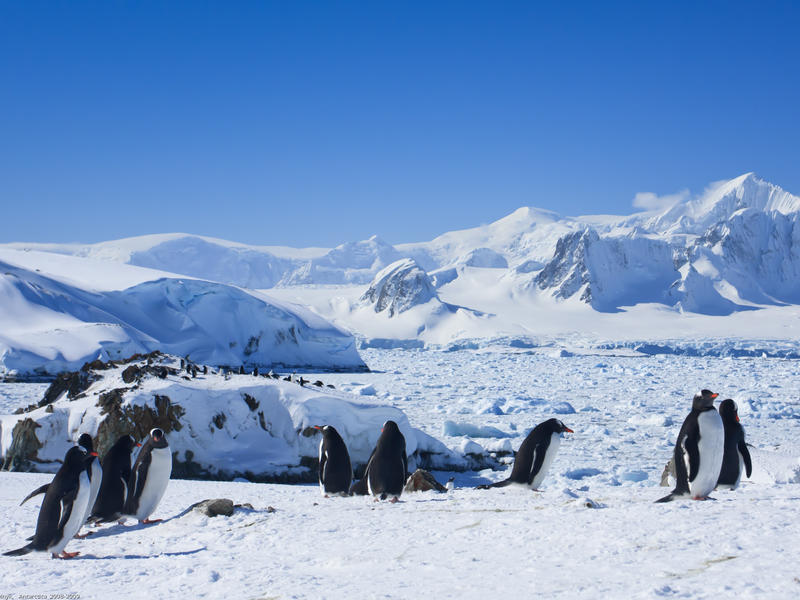
Glistening ice sheets dominate Antarctica’s vast landscape, stretching over mountains, valleys, and hidden subglacial lakes. From above, the continent appears as a fractured expanse, ringed by floating ice shelves and edged with jagged coastlines. Almost entirely uninhabited, apart from research stations, Antarctica is the coldest, highest, driest, and windiest continent on Earth, with an interior plateau of compressed snow and a peninsula shaped by steep mountains and rocky outcrops. The Antarctic Circle marks the southernmost latitude where the sun remains visible for 24 hours during the summer, a phenomenon known as the midnight sun, while in winter, the continent is plunged into 24 hours of darkness, known as the polar night. Volcanic peaks, such as Mount Erebus, rise through the ice, and the Ross and Ronne shelves extend into the Southern Ocean. Historic huts from early explorers like Scott and Shackleton remain as relics of their expeditions. Visitors to this desolate wilderness partake in wildlife viewing, guided hikes, sea kayaking, and overnight camping — all under strict environmental controls.

Read More: Antarctica

Regions


  • Placeholder image
  • Deception Island
  • Gerlache Strait
  • Placeholder image
  • Half Moon Island
  • Placeholder image
  • South Shetland Islands
  • Placeholder image

Travel Information


Electricity

Plug Type: Type C, Type E, Type F Voltage (V): 220 Frequency Hertz (Hz): 50 *Travel plug adapter and voltage converter might be necessary…

Banking

Currency Local currency: No local currency Symbol: N/A ISO code: N/A Subunit: N/A Banknotes: N/A Coins: N/A Banking Card…


Related Tours


  • Dear David Do you remember us? We spent our holyday in Namibia in 2007 following your itinerary. This email is to inform you, that advertising of your agency is now shown in the italian travel web magazine Viaggionelmondo.net In this…

    Carla and Riccardo

  • We just came back from a safari in Botswana, Namibia and Zambia, which was organised by Charlotte at ATI Holidays. We had a truly fantastic time, and would like to thank them for their help in organising it all. The…

    Matthew Haler

Electricity

Plug Type: Type C, Type E, Type F 
Voltage (V): 220 
Frequency Hertz (Hz): 50 

*Travel plug adapter and voltage converter might be necessary depending on your appliances. 

Banking

Currency 

Local currency: No local currency 
Symbol: N/A 
ISO code: N/A 
Subunit: N/A 
Banknotes: N/A 
Coins: N/A 

Banking 

Card Transactions: No 
ATMs: No 
Mastercard: No 
Visa: No 
American Express: No 
Diner’s club: No 

Banking Hours: Not applicable 
Weekdays: Not applicable 
Weekends: Not applicable 
Public Holidays: Not applicable 
Foreign exchange services: Not applicable 

Cuisine

Food and water safety: 
Can you drink the tap water: No 
Fresh fruit and veg: Limited availability 
Ice: No 
Meat: Limited availability 
Street food: No 

Local cuisine: Antarctica does not have a native human population, so there is no local cuisine. 

Drinks: No notable local drinks 

Tipping: Not applicable 

Climate

Annual rainfall: Low to zero (Very rare)

Average temperature: -37°C 

Summer: 
Average highs: -20°C 
Average lows: -40°C 

Winter: 
Average highs: -30°C 
Average lows: -50°C 

Best time to visit: Antarctica's climate is extreme and inhospitable, making it challenging to visit outside of scientific expeditions. However, for tourists, the austral summer from November to March offers slightly milder temperatures and 24-hour daylight, making it the best time for expeditions and wildlife viewing. 

Transport

Air: 
Main airlines: No commercial airlines 
International Airports: Limited research stations with airstrips 
Domestic Airports: Limited research station airstrips 

Road: 
Driving on the: Not applicable 
Tar roads: No 
Gravel roads: No 
Valid International Driver's License needed: Not applicable 
Car hire available: Not applicable 
Taxis: No 
E-hailing services: No 

Bus: 
Inter-city bus services: No 
Local city bus networks: No 

Rail: 
Railway system: No 
Subway System: No 

Water: 
Ferries: No 
Water taxis: Limited availability near research stations 
Leisure cruises: Yes, there are expedition ships and cruises: 
Expedition ships and cruises offer a popular means of exploring Antarctica. They provide comprehensive travel packages including accommodations, meals, and guided excursions. Several reputable cruise operators offer voyages to Antarctica during the austral summer season, typically departing from Ushuaia, Argentina, or Punta Arenas, Chile. These voyages provide a unique opportunity to experience the awe-inspiring landscapes, abundant wildlife, and scientific research stations of Antarctica. 

Dress

Spring and Summer 
Cool, light, breathable and comfortable: Not applicable 
Lightweight warm clothes: Yes 

Winter and Autumn 
Jerseys, cardigans, sweaters, jackets: Recommended 
Heavyweight clothing and boots: Yes 

General 
Umbrella and raincoat: No 
Warm gloves, hat and scarf: Yes 
Swimming costume (bathing suit): No 
Hat, sunglasses and sunblock: Yes 
Walking shoes: Yes 
Casual: No 
Smart-casual attire: No 


Health

As the coldest, windiest and driest place on earth, the primary health hazards in Antarctica include its severe low temperatures and high winds. The icy continent experiences continuous sunlight during its summer months, which can be damaging to the eyes and skin. Please take appropriate measures to minimize your risk. People from all over the world may travel to Antarctica on cruise ships. Traveling in close proximity with people from various places increases your risk of exposure to illnesses spread from person-to-person, such as influenza, measles and pumps. Please ensure you are up-to-date on your routine vaccinations, including the influenza vaccine and consider other vaccines recommended for the countries you will be passing through.

Visa

Since no one owns the continent of Antarctica, a passport or visa is not required for travel. However, it will be required by the other countries you'll likely need to stop at in order to get there.