Uganda

Uganda

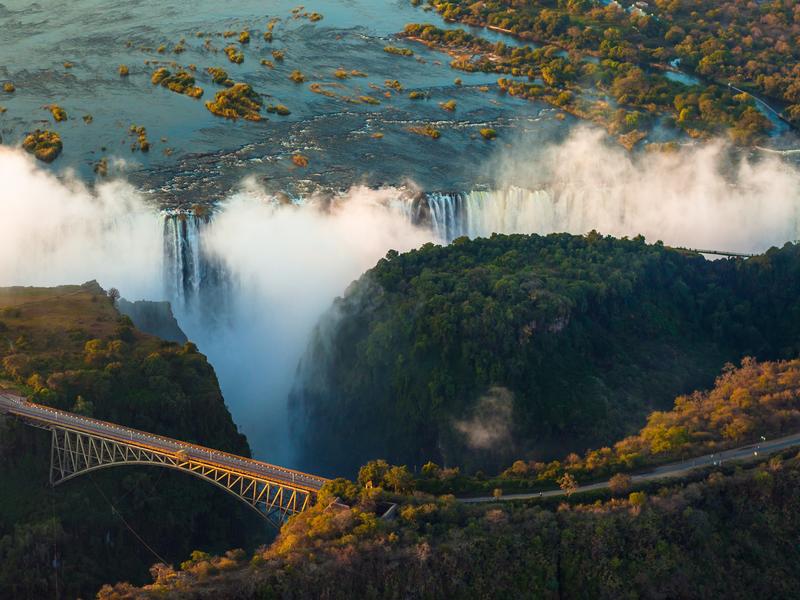
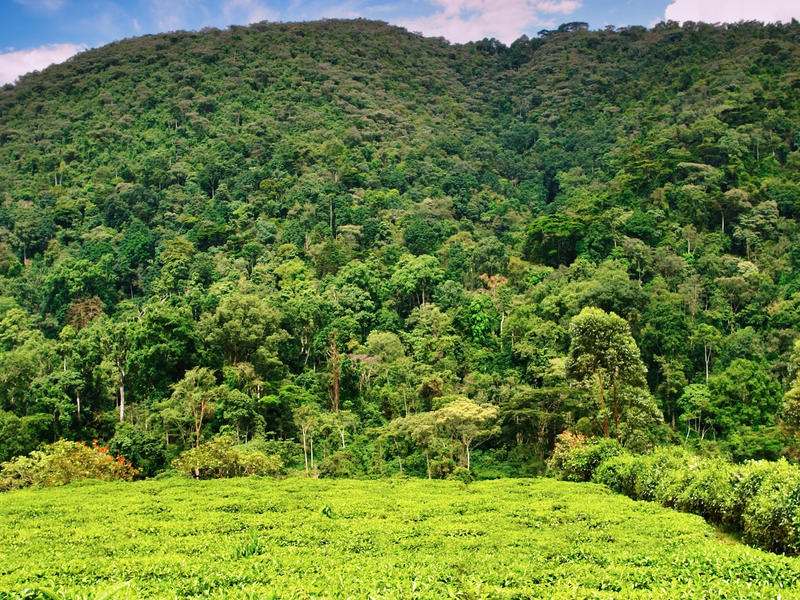
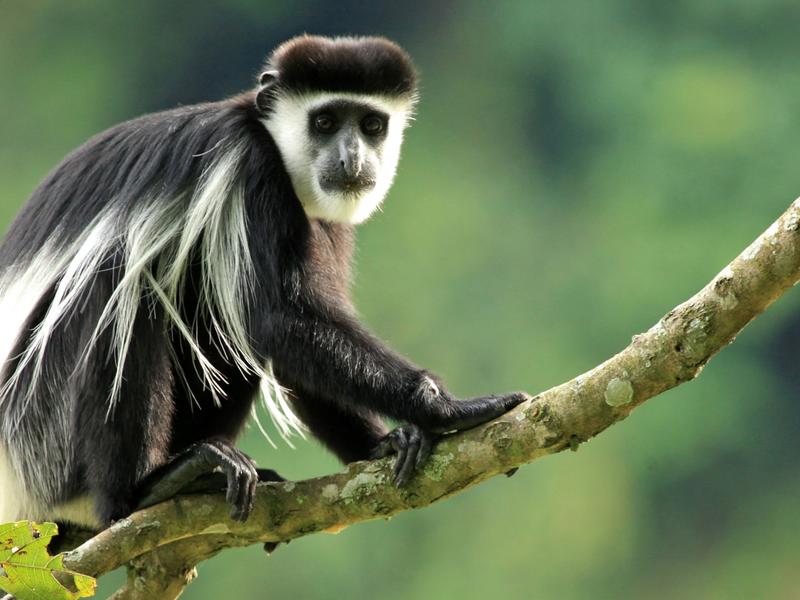
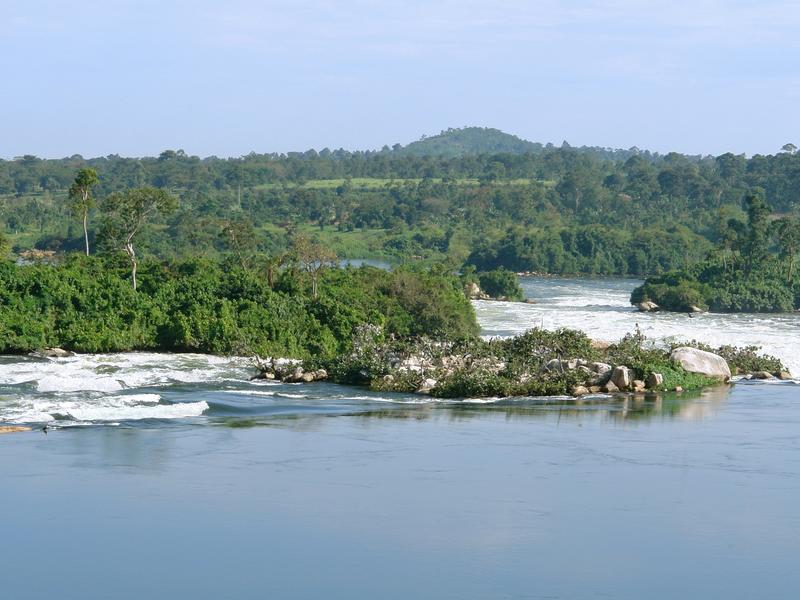
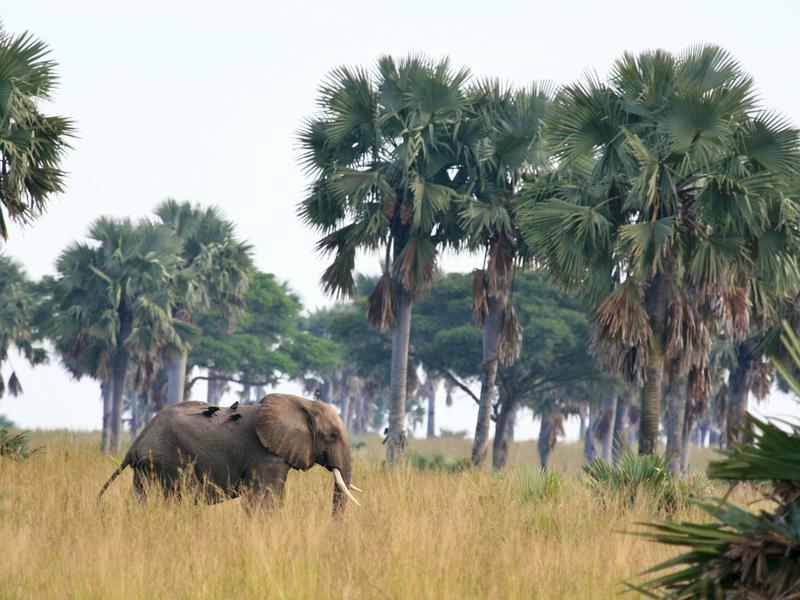
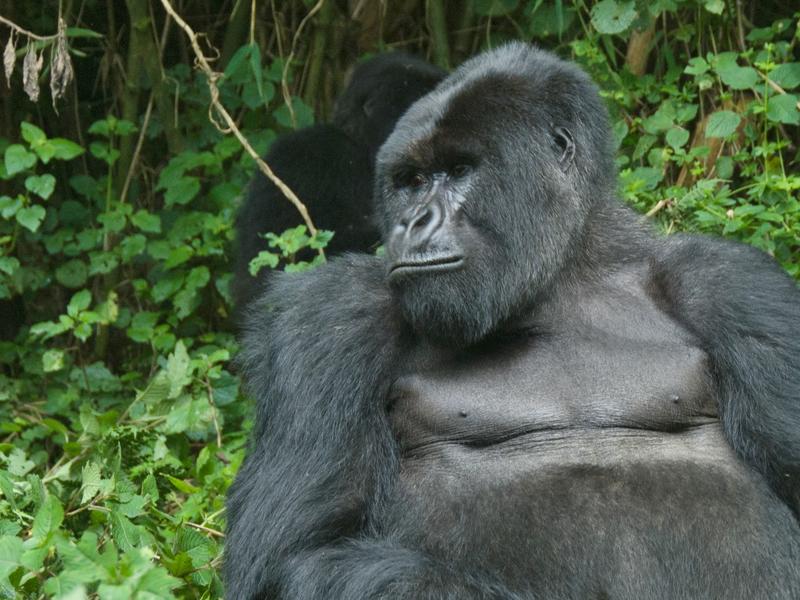
Uganda, or the ‘Pearl of Africa’, as it was famously dubbed by Winston Churchill, is characterised by relatively dry and flat savanna in the north, with verdant mountains in the West, and vast dense and remarkably lush forests in the central region. The nation is home to an astonishingly diverse range of African wildlife including the highly endangered mountain gorilla which can be found in the Bwindi Impenetrable Forest. A popular spot for wildlife watching is Queen Elizabeth National Park, which hosts four of the Big Five, a flock of flamboyant flamingos and the rare tree-climbing lions of Ishasha. Outdoor enthusiasts can get their adrenaline fix with plenty of whitewater rafting, kayaking, hiking, quad biking and horse riding facilities on offer. Add to this some friendly locals, a burgeoning cultural scene, and a capital city full of lively bars, clubs and restaurants, and it is easy to see why Uganda has gained itself a reputation as 'Africa's friendliest country'.

Read More: Uganda

Regions


  • Entebbe
  • Lake Mutanda
  • Southern Queen Elizabeth National Park
  • Bwindi Impenetrable Forest National Park
  • Placeholder image
  • Placeholder image
  • Placeholder image
  • Placeholder image

Travel Information


General

Language:English is widely spoken as the lingua franca, though to varying degrees of fluency. British English is the dialect of the most educated, but…

Electricity

Plug Type: Type G Voltage (V): 240 Frequency Hertz (Hz): 50 *Travel plug adapter and voltage converter might be necessary depending on your…

Banking

Currency Local currency: Ugandan Shilling Symbol: USh ISO code: UGX Subunit: Cent Banknotes: 1000, 2000, 5000, 10,000, 20,000,…

Cuisine

Food and water safety: Can you drink the tap water: No Fresh fruit and veg: Yes Ice: No Meat: Yes Street food: Yes Local…

Climate

Annual rainfall: Varies by region, averaging around 1200 mm Average temperature: 23°C Summer: Average highs: 27°C Average lows: 16°C Winter: Average…

Transport

Air: Main airlines: Uganda Airlines International Airports: Entebbe International Airport Domestic Airports: Various Road: Driving…

Dress

Spring and Summer Cool, light, breathable and comfortable: Yes Lightweight warm clothes: Yes Winter and Autumn Jerseys, cardigans,…

Health

Please consult your health-care provider 4-6 weeks prior to travel to ensure you are receiving all required vaccinations and that the medication has…

Safety

Visa

VISA REQUIREMENTS:U.S. citizens are required to obtain a visa for entry into Uganda. Non U.S. citizens should consult with your local embassy. 


Related Tours


  • Dear David Do you remember us? We spent our holyday in Namibia in 2007 following your itinerary. This email is to inform you, that advertising of your agency is now shown in the italian travel web magazine Viaggionelmondo.net In this…

    Carla and Riccardo

  • We just came back from a safari in Botswana, Namibia and Zambia, which was organised by Charlotte at ATI Holidays. We had a truly fantastic time, and would like to thank them for their help in organising it all. The…

    Matthew Haler

General

Language:English is widely spoken as the lingua franca, though to varying degrees of fluency. British English is the dialect of the most educated, but Ugandan English often takes on a life of its own. Dozens of African languages are spoken in Uganda, the most common being Luganda, which is almost universally understood in Kampala. Swahili may come in handy in places, especially the North and East. Though many Ugandans do not speak Swahili at all, it is a common African trade language.National Emergency Numbers:Police 999 (Toll free)Fire Masters 147 (Toll free)Fire Brigade & Rescue 112 (Toll free) Public Holidays:The dates of certain public holidays change from year to year – refer below. If a public holiday falls on a Sunday, then the Monday is also declared a public holiday.January 1 - New Year's DayDate variable - Good FridayDate variable - Easter MondayMarch 8 - Women's DayMay 1 - Labour DayJune 3 - Martyr's DayJune 9 - National Heroes DayDate variable - Eid al-Fitr (End of Ramadan)October 9 - Independence DayDate variable - Eid al-Adha (Feast of the Sacrifice)December 25 - Christmas DayDecember 26 - Boxing DaySocial conventions:It is not possible to list all the characteristics of a culture. However, visitors to Uganda are advised to seek information about some of the Ugandan cultural pattern that foreigners are most likely to encounter in regards to social greetings, eating, bargaining, manner of dress and certain practices and beliefs. The exchange of a greeting is key to successful interaction with Ugandans at every level, whether in the market, on the street, in the office, or over the telephone. Shaking hands is the normal form of greeting. Casual dress is usual for most occasions in the daytime or evening. Ugandans have adopted a socially conservative culture and homosexuality and drug abuse is illegal and widely condemned.Time Zone:East Africa Time - UTC+03:00US EmbassyAddress: U. S. Embassy Kampala Plot 1577 Ggaba Road, P.O. Box 7007, Kampala, Uganda.Tel: 0414 306001 / 0312 306001 / 0414 259791Fax: 0414 259 794Website: kampala.usembassy.gov

Electricity

Plug Type: Type G 
Voltage (V): 240 
Frequency Hertz (Hz): 50 

*Travel plug adapter and voltage converter might be necessary depending on your appliances. 

Banking

Currency 

Local currency: Ugandan Shilling 
Symbol: USh 
ISO code: UGX 
Subunit: Cent 
Banknotes: 1000, 2000, 5000, 10,000, 20,000, and 50,000 shillings 
Coins: 1, 5, 10, 50, 100, 200, and 500 shillings 

Banking 

Card Transactions: Yes 
ATMs: Yes 
Mastercard: Yes 
Visa: Yes 
American Express: Limited acceptance 
Diner’s club: Limited acceptance 

Banking Hours: 
Weekdays: 8:30 AM - 4:00 PM 
Weekends: Limited hours in some locations 
Public Holidays: Yes (limited hours) 
Foreign exchange services: Yes 

Cuisine

Food and water safety: 
Can you drink the tap water: No 
Fresh fruit and veg: Yes 
Ice: No 
Meat: Yes 
Street food: Yes 

Local cuisine: Ugandan cuisine reflects a mix of indigenous tribes and foreign influences. Staple foods include Matooke (cooked green bananas), Posho (maize meal), and Rice. Common dishes are Luwombo (steamed stew), Rolex (chapati with eggs and vegetables), and Nyama Choma (grilled meat). Ugandan cuisine is rich in flavor with a variety of spices and herbs. 

Drinks: Notable local drinks include Waragi (banana gin), Tonto (local beer), and Malwa (fermented beverage). 

Tipping: Tipping is not mandatory but appreciated, typically 5-10%. 

Climate

Annual rainfall: Varies by region, averaging around 1200 mm 
Average temperature: 23°C 

Summer: 
Average highs: 27°C 
Average lows: 16°C 

Winter: 
Average highs: 26°C 
Average lows: 15°C 

Best time to visit: The best time to visit Uganda is during the dry seasons, from June to August and December to February, when the weather is cooler and ideal for wildlife viewing and outdoor activities. 

Internet Availability 

Internet cafes: Limited 
Accommodation options: Yes 
Restaurants: Yes 
Cafes: Yes 
Shopping malls: Yes 
Public parks: Yes 
Libraries: Yes 

Transport

Air: 
Main airlines: Uganda Airlines 
International Airports: Entebbe International Airport 
Domestic Airports: Various 

Road: 
Driving on the: Left 
Tar roads: Yes 
Gravel roads: Yes 
Valid International Driver's License needed: Yes 
Car hire available: Yes 
Taxis: Yes 
E-hailing services: Yes 

Bus: 
Inter-city bus services: Yes 
Local city bus networks: Yes 

Rail: 
Railway system: Limited 
Subway System: No 

Water: 
Ferries: Limited 
Water taxis: Yes 
Leisure cruises: No 

Dress

Spring and Summer 
Cool, light, breathable and comfortable: Yes 
Lightweight warm clothes: Yes 

Winter and Autumn 
Jerseys, cardigans, sweaters, jackets: Recommended 
Heavyweight clothing and boots: No 

General 
Umbrella and raincoat: Yes 
Warm gloves, hat and scarf: Yes 
Swimming costume (bathing suit): Yes 
Hat, sunglasses and sunblock: Yes 
Walking shoes: Yes 
Casual: Yes 
Smart-casual attire: Yes 


Health

Please consult your health-care provider 4-6 weeks prior to travel to ensure you are receiving all required vaccinations and that the medication has enough time to take effect. We highly recommend the purchase of travel insurance with medical benefits and that you bring any personal medication with you. Please also check with your health department prior to departure for any changes in health regulations.

Required Immunizations/Vaccinations:

Yellow Fever- required for travelers coming from a yellow fever infected country. It is otherwise not required or recommended. You should be vaccinated at least 10 days before you travel, as this will allow enough time for your body to develop protection against the yellow fever infection. Your proof of vaccination certificate will only become valid after this time.

Recommended Immunizations/Vaccinations:

Malaria prophylaxis - highly recommended for all travelers

Travelers should carry and use insect repellents containing either 20% DEET, picaridin, oil of lemon eucalyptus or IR3535, as well as clothing treated with permethrin, and bed nets, to prevent insect borne illnesses such as malaria, dengue and yellow fever.

Malaria: Expert opinion differs regarding the best approach to malaria prophylaxis. It is important to bear in mind that malaria may be contracted despite chemoprophylaxis, especially in areas where chloroquine resistance has been reported. 

We strongly recommend you take the following preventative measures:

Use plenty of mosquito repellent. Some properties provide a locally made repellent but please bring your own as there may be skin sensitivity.
Wear long-sleeved shirts and trousers/slacks in the evenings.
Please use the mosquito net over your bed where supplied/available.
If staying in a bungalow or tent, spray with a suitable insecticide to kill any mosquitoes that may have flown into your room.
Mosquito coils are also effective.

There is a six to seven day minimum incubation period before symptoms present themselves. If you become ill on your return, while still on prophylaxis or even once you have stopped taking them, ensure that your doctor does everything to establish that your illness is not malaria. Please remember the best precaution is the preventative kind. 

It is inadvisable for pregnant women to visit malarial areas as malaria infection during pregnancy can be detrimental to both mother and child.

Zika Virus
Zika virus is a risk in Uganda. Because Zika infection in a pregnant woman can cause serious birth defects, women who are pregnant should not travel to Uganda. All travelers should strictly follow steps to prevent mosquito bites and sexual exposure to Zika virus during and after the trip.

Visa

VISA REQUIREMENTS:U.S. citizens are required to obtain a visa for entry into Uganda. Non U.S. citizens should consult with your local embassy.